
The Rise, Rule, and Global Consequences of Mexico’s Most Feared Drug Lord
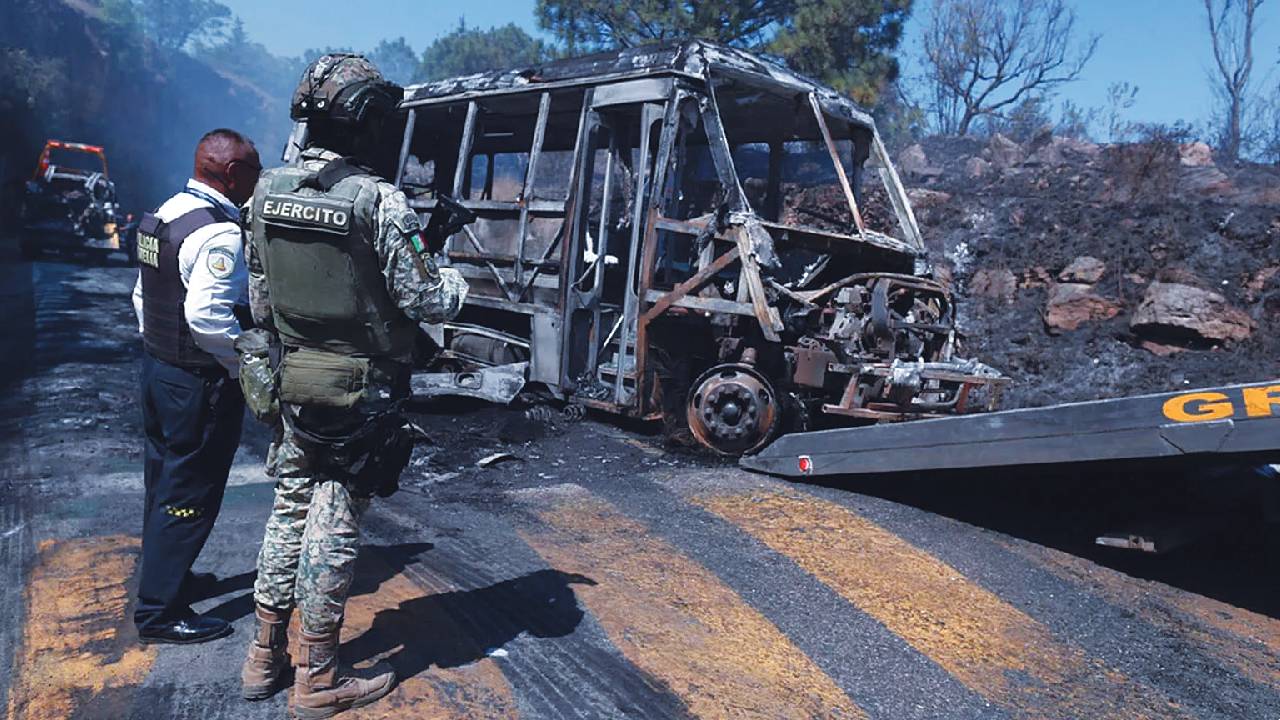
The reported death of Nemesio Oseguera Cervantes — the man the world knew as El Mencho — is not just another headline in Mexico’s long and bloody war against organized crime. It is a moment that feels seismic, a rupture in the story of a nation that has struggled for decades against cartels that wield more firepower than some armies. For years, El Mencho was the phantom at the center of Mexico’s drug war, a figure whose name inspired fear in communities, whose cartel reshaped the global narcotics trade, and whose ability to evade capture became almost legendary. His killing in a Mexican military operation is therefore more than the end of a man; it is a turning point that could redefine Mexico’s security landscape, ripple through international drug markets, and force governments worldwide to rethink their strategies against organized crime.
Who Was El Mencho?
El Mencho’s story begins in the rugged countryside of Jalisco in the 1960s. Poverty was not just a condition there — it was destiny for most. Families struggled to survive, and young men often faced two choices: migrate north in search of work or fall into the shadows of illicit trade. Nemesio tried the first path, moving to the United States, but instead of stability, he found himself entangled in drug distribution networks.
A prison sentence in the U.S. and subsequent deportation back to Mexico became the turning point of his life. Returning home, he entered cartel structures already in place, but unlike others, he envisioned something bigger. He was not flamboyant like Joaquín “El Chapo” Guzmán, who relished media attention. El Mencho thrived in silence. He avoided cameras, interviews, and public appearances. His reputation was built on discipline, secrecy, and ruthless efficiency — qualities that made him both feared and respected in criminal circles.
Timeline: The Rise and Fall of El Mencho
Understanding the rise of El Mencho requires looking at the major milestones that shaped his criminal career. Over several decades, he went from a small-time trafficker to one of the most powerful cartel leaders in the world. The following timeline highlights the key moments that defined his path.
1966 – Birth in Jalisco, Mexico
Nemesio Oseguera Cervantes was born in the rural state of Jalisco. Growing up in poverty in an agricultural region, he was part of a generation of young men who faced limited economic opportunities, pushing many toward migration or involvement in illicit activities.
1980s – Migration to the United States
As a young adult, he reportedly migrated to the United States seeking work. During this period, he became involved in small-scale drug trafficking operations, particularly in California.
1990s – Arrest and Deportation
El Mencho was arrested in the United States on drug-related charges and eventually deported to Mexico. This event played a major role in shaping his future criminal trajectory.
Early 2000s – Entry into Organized Crime
After returning to Mexico, he joined established cartel networks, gaining experience in trafficking operations and internal cartel structures.
2010 – Formation of the Jalisco New Generation Cartel (CJNG)
Following internal conflicts within larger cartels, El Mencho established CJNG. The new organization quickly gained attention for its aggressive tactics and rapid territorial expansion.
2015 – Global Most Wanted Criminal
Authorities in Mexico and the United States identified El Mencho as one of the most dangerous drug traffickers in the world. The U.S. government offered a multimillion-dollar reward for information leading to his capture.
2015–2025 – Expansion of CJNG
During this period, CJNG expanded dramatically across Mexico and internationally. The cartel became heavily involved in fentanyl production, methamphetamine trafficking, and global narcotics distribution.
2026 – Military Operation and Death
Mexican security forces launched a major operation targeting El Mencho’s hideout. After an intense confrontation, he was fatally wounded, marking the end of one of the most powerful cartel leadership eras in recent history.
Fact Box: Key Facts About El Mencho
Full Name: Nemesio Oseguera Cervantes
Alias: El Mencho
Nationality: Mexican
Born: July 17, 1966
Place of Birth: Jalisco, Mexico
Organization: Jalisco New Generation Cartel (CJNG)
Role: Founder and leader
Criminal Activities:
-
Fentanyl trafficking
-
Methamphetamine production
-
Cocaine distribution
-
Money laundering
-
Extortion and kidnapping
Estimated Influence:
CJNG operated across multiple Mexican states and international trafficking routes, making it one of the most powerful criminal organizations in the world.
Reward for Capture:
The United States government had offered up to $15 million for information leading to his capture.
Reputation:
El Mencho was widely known for building one of the most heavily armed and militarized cartels in modern history.
The Rise of the Jalisco New Generation Cartel (CJNG)
Around 2010, El Mencho founded the Jalisco New Generation Cartel (CJNG), born out of fractures within older cartels. What set CJNG apart was its hybrid identity: part corporate enterprise, part paramilitary force.
El Mencho recruited ex-soldiers and trained them with military precision. His cartel didn’t just smuggle drugs — it manufactured synthetic narcotics in hidden labs, stole fuel from pipelines, trafficked humans, and laundered money through international networks. CJNG became a diversified empire, operating like a multinational corporation but with the brutality of a warlord’s army.
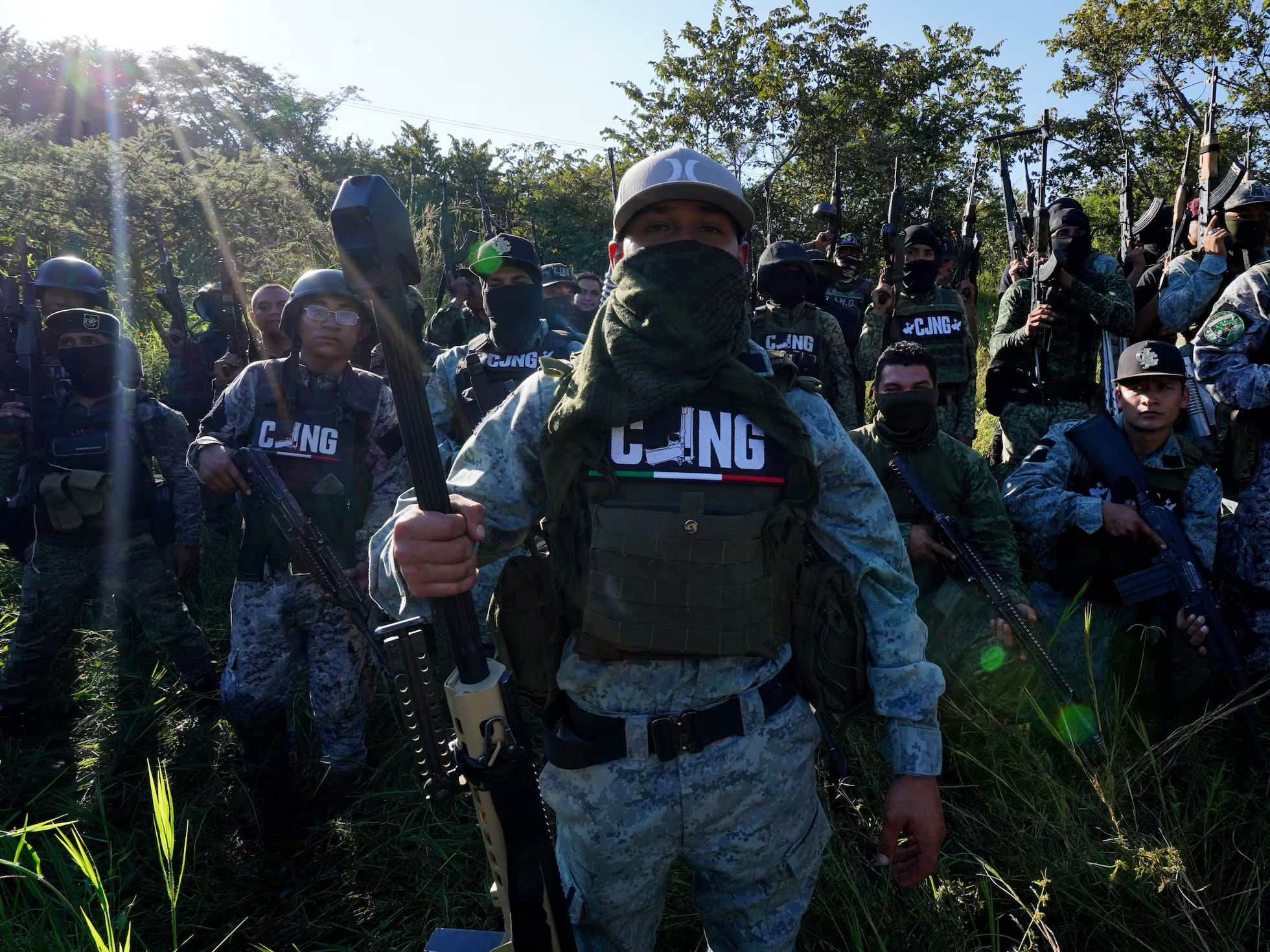
Within a decade, CJNG had spread across dozens of Mexican states and reached into North America, South America, Europe, and Asia. Intelligence agencies described it as one of the most technologically adaptive cartels in history, capable of using encrypted communications, drones, and advanced weaponry.
The Military Operation That Killed El Mencho
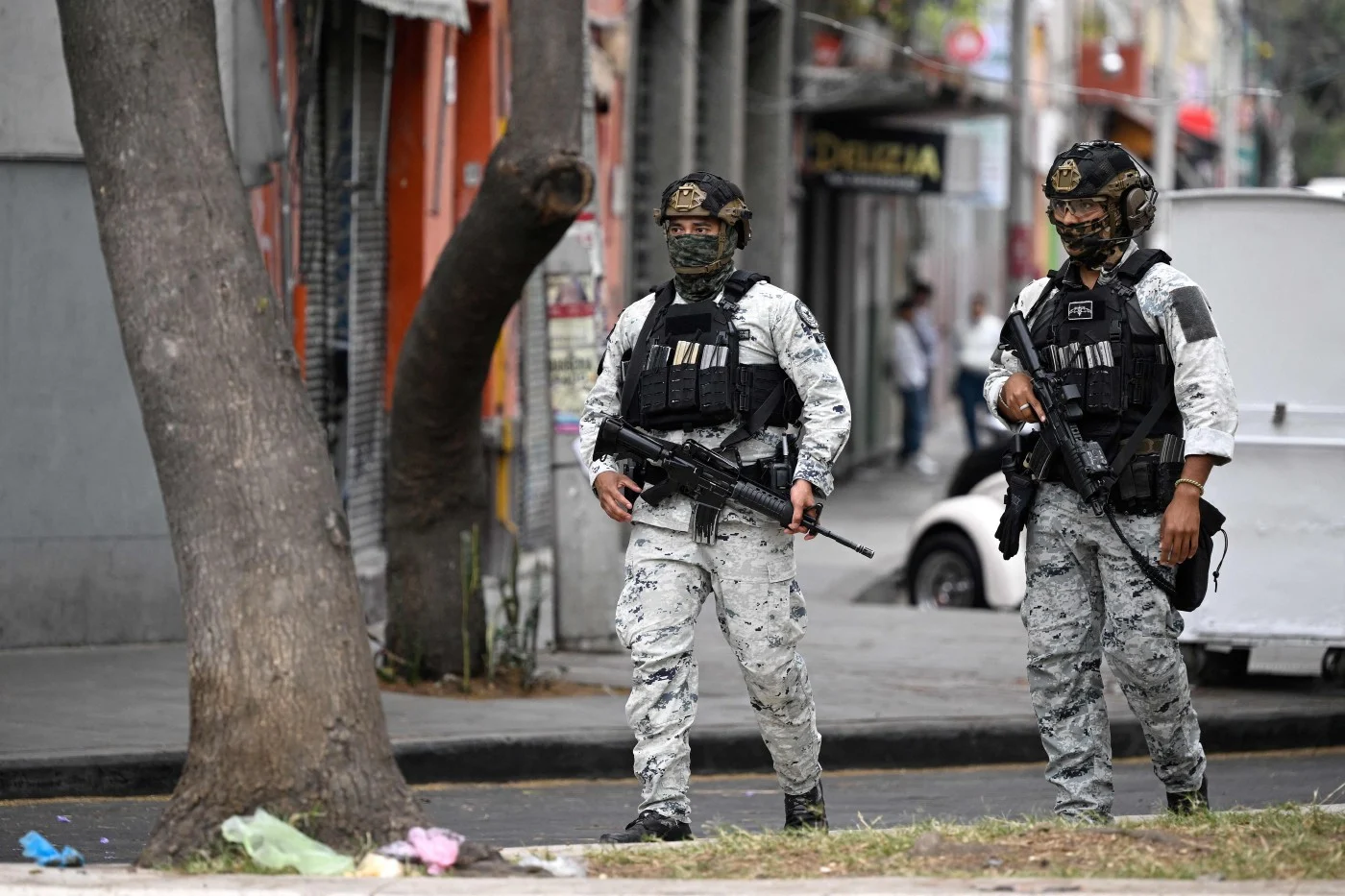
For months, Mexican intelligence tracked him, piecing together fragments of his movements through surveillance, informants, and international cooperation. Finally, in the mountainous terrain of Jalisco, the army struck.
Special forces descended with helicopters, ground troops, and aerial reconnaissance. The firefight was ferocious, lasting hours. Cartel gunmen fought with high-caliber weapons, showing just how militarized CJNG had become. El Mencho was critically wounded in the clash. Despite attempts to save him, he died while being transported for medical treatment.
His death was not just the end of a man — it was the collapse of a symbol of untouchable power.
Immediate Aftermath: Nationwide Shock and Violence
Mexico trembled in the hours after his death. Highways were blocked with burning vehicles, businesses shuttered, schools closed, and civilians hid indoors. Retaliatory attacks erupted, reminding everyone that CJNG was still dangerous, even without its leader.
For ordinary citizens, emotions were mixed. Relief that the most feared man in Mexico was gone, but dread that violence might spiral as factions fought for control. The atmosphere was tense, as if the country was holding its breath, waiting to see what would come next.
Impact on Mexico’s Crime Landscape
El Mencho ruled with centralized authority. His word was law within CJNG. Now, with his absence, a vacuum has opened — and vacuums in cartel life often mean bloodshed.Factions may fight for control, rivals may move in, and violence could spike before any stability returns. Yet, some analysts believe this is Mexico’s chance — a rare moment to weaken CJNG’s networks before a new leader rises.
Global Drug Trade Effects
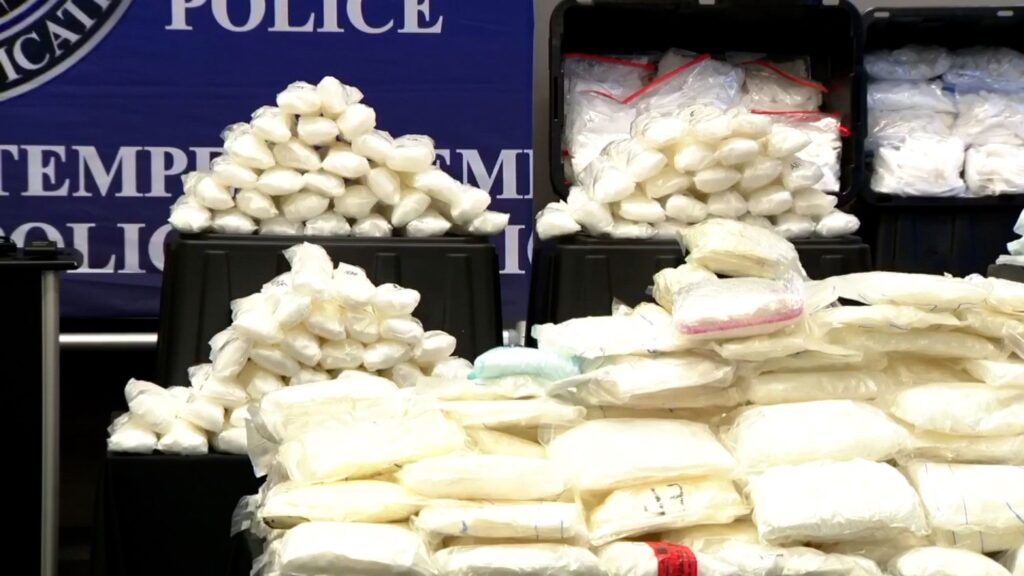
El Mencho’s influence extended far beyond Mexico’s borders. CJNG played a critical role in supplying synthetic drugs — particularly fentanyl and methamphetamine — to international markets. His death could temporarily disrupt production chains, transportation routes, and distribution partnerships worldwide. Law enforcement agencies in the United States, Canada, and Europe are closely monitoring shifts in drug availability and pricing. Possible global consequences include: Temporary shortages of synthetic narcotics Increased street drug prices Emergence of smaller trafficking groups Expansion of alternative supply networks Historically, when dominant traffickers disappear, criminal markets adapt quickly. New alliances or decentralized operations often replace centralized leadership, meaning global drug flows may eventually stabilize under different actors. related picture
Media Reaction and the Role of Digital Propaganda
The news didn’t just spread through headlines — it flooded social media. Rumors, doctored videos, even AI-generated propaganda appeared online. Cartels today fight not only with guns but with information, shaping fear and myth through digital channels.
This digital war complicates law enforcement efforts. It blurs truth and fiction, making it harder for citizens to know what is real. In many ways, the battle for perception is as important as the battle on the ground.
Symbolism and Legacy After Death
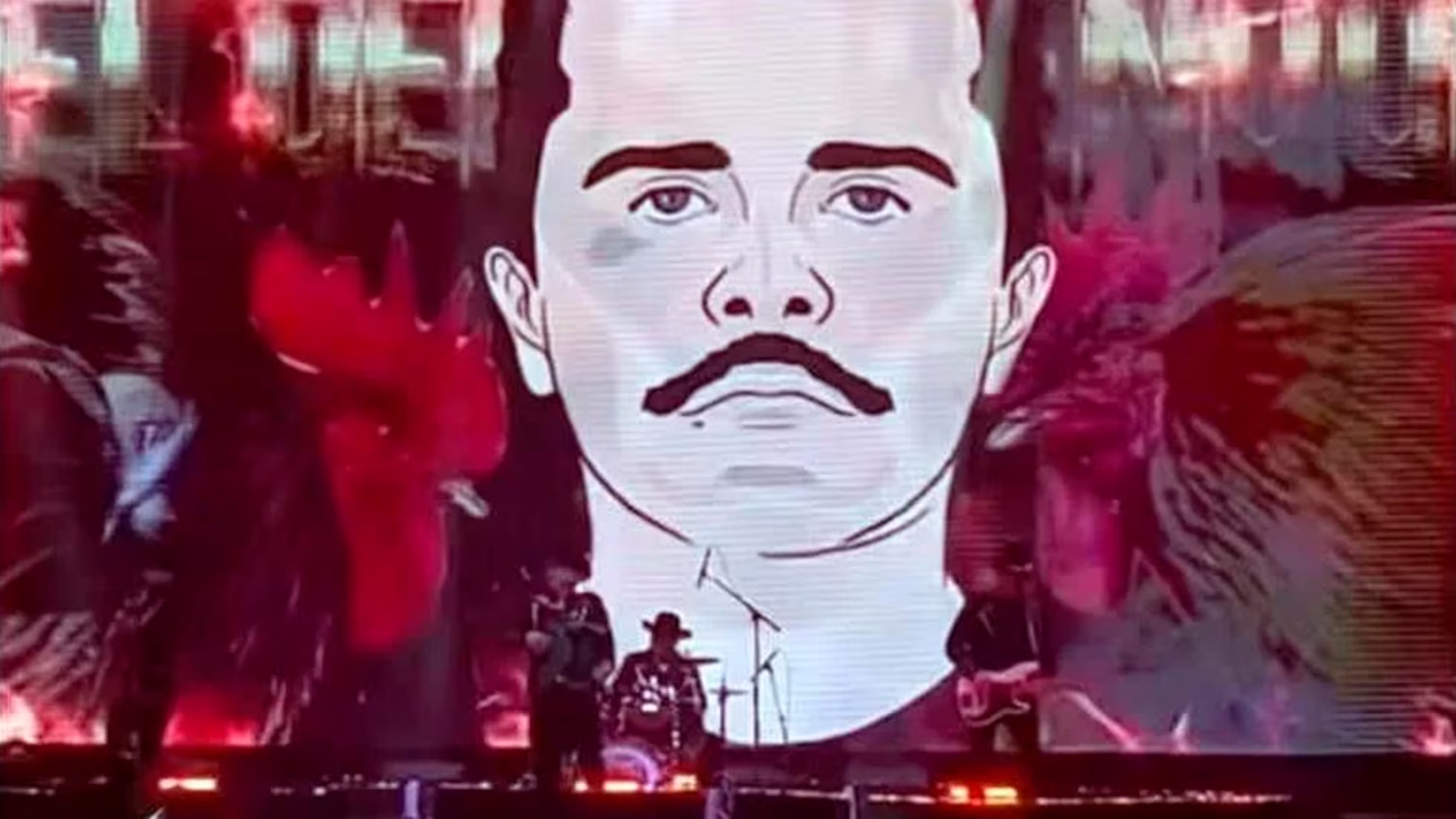
Despite his killing, El Mencho’s influence may persist symbolically. Within cartel culture, fallen leaders often become mythologized figures whose stories reinforce loyalty among followers. Memorial imagery, music references, and online tributes can transform criminal leaders into enduring icons. This phenomenon complicates law enforcement efforts because ideology and reputation sometimes outlive organizational leadership. Experts warn that eliminating individuals does not automatically dismantle the socio-economic systems that allow cartels to recruit members and sustain operations. relatd pictures
What Happens Next? Possible Future Scenarios
1. Internal Fragmentation
CJNG may split into competing factions, increasing localized violence and instability.
2. Emergence of a Successor
A trusted lieutenant or family member could consolidate power and restore organizational cohesion.
3. Strategic Government Advantage
Authorities may capitalize on instability to dismantle financial networks, laboratories, and trafficking routes.
FAQs –
Who exactly was El Mencho?
He was the founder and leader of the Jalisco New Generation Cartel, considered one of the world’s most powerful drug trafficking organizations.
Why was he difficult to capture?
He operated through secrecy, loyal security networks, rural hideouts, and advanced counter-surveillance tactics.
Will cartel violence end after his death?
Experts generally expect short-term violence increases before any long-term stabilization occurs.
How does this affect other countries?
Drug supply chains connected to CJNG may temporarily shift, affecting global narcotics markets.
Is CJNG finished now?
Unlikely. Criminal organizations typically adapt quickly even after losing top leadership.
Conclusion: A Historic Moment With Uncertain Consequences
The reported death of El Mencho marks a historic achievement for Mexican security forces and international anti-drug cooperation. Yet history demonstrates that organized crime rarely disappears with the removal of a single leader.
Instead, criminal ecosystems evolve, restructure, and adapt to survive changing conditions. Whether this moment becomes a lasting victory against cartel violence or simply the beginning of another violent transition remains uncertain.
What is clear, however, is that El Mencho’s rise and fall will remain one of the most defining chapters in the global war against organized crime — a story illustrating how power, poverty, globalization, and technology intersect in today’s criminal world.