Uncategorized

Best Software Affiliate Programs | High Paying SaaS 2026

Best Software Affiliate Programs Affiliate marketing has steadily grown into one of the most dependable ways to earn passive income online. What makes it so appealing is the flexibility it offers — you don’t need to create a product, manage inventory, or handle customer service. Instead, you connect people with tools they already need and use. Among the many niches available, software partnerships stand out as particularly rewarding. In today’s digital-first world, businesses, freelancers, and even students rely on online platforms to manage projects, market their services, and create content. This reliance has transformed software into a necessity rather than a luxury, and affiliates who promote these tools are tapping into a market that is constantly expanding. Every subscription or purchase made through a referral link becomes a potential stream of income, and when those subscriptions renew month after month, the earnings compound into something truly powerful. Understanding Software Partnerships At their core, these programs are collaborations between software providers and marketers. Affiliates are given unique referral links, and whenever someone signs up through those links, the affiliate earns a commission. Unlike physical products, there are no shipping costs, no geographical restrictions, and no concerns about stock running out. Everything happens digitally, which makes the process seamless and scalable. The real advantage lies in the subscription model. Most SaaS platforms charge monthly or yearly fees, and affiliates continue to earn as long as the customer remains subscribed. Imagine recommending a project management tool to a small business owner. If they pay $50 per month and the program offers a 30% commission, you earn $15 every month from that single referral. Multiply that by dozens of customers, and you begin to see how affiliates can build steady, long-term income streams without constantly chasing new sales. Why Digital Tool Promotion Is So Profitable https://www.mindmatrix.net/partner-ecosystem-glossary/power-of-affiliate-marketing/ There are several reasons why promoting software has become one of the most attractive opportunities in affiliate marketing. First, recurring income is a game-changer. Instead of earning a one-time payout, affiliates benefit from commissions that repeat every billing cycle. This creates stability and predictability, which is rare in online business. Second, many platforms offer high-ticket payouts. Some programs pay hundreds of dollars per sale, and for premium enterprise tools, commissions can even reach into the thousands. This means affiliates don’t need massive traffic to earn significant income — a handful of conversions can make a big difference. Third, the demand for digital tools is global. Whether it’s a freelancer in India, a startup in Silicon Valley, or a student in Europe, people everywhere rely on software to stay productive and competitive. Finally, this niche aligns perfectly with content creators. Bloggers, YouTubers, and influencers often share the tools they personally use, and those authentic recommendations naturally drive conversions. Top SaaS Categories in 2026 Certain categories consistently perform well for affiliates, and 2026 is no exception. SEO and marketing platforms remain at the top because businesses are always looking for ways to improve visibility and attract customers. Email marketing services are another strong contender, as newsletters and automated funnels are essential for nurturing leads. Graphic design tools appeal to a wide audience, from students creating presentations to entrepreneurs building brand assets. Funnel builders and automation platforms are particularly lucrative because they often come with high-ticket commissions and lifetime recurring payouts. Each of these categories represents a growing market, and affiliates who position themselves as trusted guides can benefit enormously. How to Choose the Right Program Choosing the right partnership is critical. Affiliates should look closely at commission structures, prioritizing recurring payouts over one-time bonuses. It’s also important to evaluate product demand. Tools that solve real problems — whether it’s improving search rankings, streamlining communication, or simplifying design — tend to perform better. Cookie duration is another factor to consider. Longer tracking windows increase the chances of earning commissions, especially if potential customers take time to decide. Finally, affiliates should think about their audience. A blogger writing about productivity will have more success promoting project management tools than advanced enterprise software. Aligning programs with your niche ensures higher conversions and stronger engagement.Selecting the right affiliate program is crucial. Here’s what to look for: Strategies to Maximize Earnings Success in this field depends not just on the programs you choose but on how you promote them. Writing detailed reviews builds trust and helps readers make informed decisions. Tutorials and guides are equally effective because they show people how to use the tools step by step, making the learning curve less intimidating. Comparison articles, such as “Tool A vs Tool B,” are powerful because they target readers who are already close to making a purchase. Social media and YouTube also play a huge role. Video demonstrations, Instagram reels, and LinkedIn posts can reach audiences beyond your blog and create multiple touchpoints that drive conversions. The key is to provide value first — when readers feel informed and supported, they are far more likely to click through and subscribe. Beginner-Friendly Options For newcomers, beginner-friendly programs are a great starting point. Many companies provide marketing materials such as banners, landing pages, and tutorials to help affiliates get started quickly. Digital tools are especially suitable for beginners because they don’t require inventory, shipping, or customer support. This allows new affiliates to focus entirely on creating content and building an audience. Over time, as they gain experience, they can branch out into higher-ticket programs and more advanced strategies. The Future of SaaS Affiliates Looking ahead, the future of SaaS affiliate marketing is incredibly promising. As businesses continue to adopt cloud-based solutions, the reliance on digital tools will only deepen. From artificial intelligence platforms to advanced automation systems, the next wave of software will create even more opportunities for affiliates. Those who invest in building valuable content today will be well-positioned to benefit tomorrow. The landscape is evolving, but one thing remains constant: the demand for software is not slowing down. Conclusion Promoting software through affiliate partnerships is more than just a side hustle — it’s a

Best Software Affiliate Programs | High Paying SaaS 2026 Read More »

Sanju Samson 2.0 Inspiring Biography, Age, Stats, IPL Career, Wife & CSK Trade News

Sanju Samson 2.0 Inspiring Biography, Age, Stats, IPL Career, Wife & CSK Trade News

Sanju Samson: Biography, Age, Stats, IPL Journey, Wife, CSK Trade News & More Introduction Introduction Sanju Samson is one of those rare cricketers who blends elegance with aggression, a wicketkeeper-batsman whose artistry with the bat has made him a household name in Indian cricket. His story is not just about numbers and statistics, but about resilience, patience, and the pursuit of excellence. Fans follow every detail of his biography — from his age and stats to his IPL journey, wife, Instagram presence, and even trade rumors linking him to Chennai Super Kings. From a boy with a dream in Kerala to captaining an IPL franchise, Samson’s path is a testament to how talent, when nurtured with discipline, can blossom into greatness. His journey is filled with moments of triumph, challenges, and comebacks that continue to inspire cricket lovers across the country. Sanju Samson Biography Born on November 11, 1994, in Pulluvila village near Thiruvananthapuram, Kerala, Sanju Samson grew up in a family that valued discipline and hard work. His father, Samson Vishwanath, served in the Delhi Police, while his mother, Ligy Samson, provided the emotional support that every budding athlete needs. Because of his father’s posting, Sanju spent part of his childhood in Delhi, where he first began to dream of cricketing glory. It was his father who recognized the spark in him and encouraged him to pursue cricket seriously. Hours of practice in academies, countless junior matches, and the determination to prove himself shaped his early years. His breakthrough came in under-19 cricket, where his fearless batting style — marked by lofted drives and audacious strokes — caught the eye of selectors. Soon, he was representing Kerala in the Ranji Trophy and Vijay Hazare Trophy, cementing his reputation as one of the most exciting young batsmen in the country -Resource by – BCCI Age and Early Cricket Journey At 30 years of age, Sanju Samson already boasts more than a decade of professional cricketing experience. His journey through the ranks was swift and impressive. He represented Kerala in the Under-13 and Under-16 teams, where his performances stood out. By the time he reached the Under-19 level, he was already being talked about as a future star. His Ranji Trophy debut for Kerala came at a young age, and he quickly became one of the youngest players to score centuries in domestic cricket. These early milestones were not just numbers on a scorecard — they were statements of intent, proof that he was ready to take on bigger challenges. His consistency in domestic cricket soon caught the attention of IPL scouts, opening the door to the biggest T20 league in the world. IPL Career: From Debut to Captaincy Sanju Samson’s IPL journey is the stuff of dreams. Making his debut in 2013, he immediately impressed with his maturity and composure at the crease. Despite being young, he played crucial innings under pressure, showing that he belonged on the big stage. Over the years, Samson became known for his explosive batting. Fans remember his match-winning centuries, his quick-fire half-centuries, and those unforgettable moments when he finished games with sheer brilliance. His ability to hit sixes all around the ground made him a nightmare for bowlers and a delight for spectators. Later, his career took another leap when he was entrusted with captaincy. Leading an IPL team is no small responsibility, but Samson embraced it with calmness and strategic thinking. His leadership added a new dimension to his career, proving that he was not just a batsman but also a tactician capable of guiding a team through the highs and lows of the tournament. IPL Stats: A Testament to Consistency Numbers often tell their own story, and Sanju Samson’s IPL stats highlight his consistency and attacking flair. With over 150 matches played, more than 3500 runs scored, and a strike rate hovering around 135, he has established himself as one of the most reliable middle-order batsmen in the league. His tally includes multiple centuries and over 20 half-centuries, with a highest score crossing the 100-run mark. Beyond batting, his role as a wicketkeeper adds immense value to his team. Sharp catches, quick stumpings, and an ever-alert presence behind the stumps make him a complete package in the T20 format. CSK Trade Rumours: Fan Speculation and Excitement Among IPL fans, one recurring discussion is the possibility of Sanju Samson joining Chennai Super Kings. CSK has always valued strong wicketkeeper-batsmen, and Samson fits that mold perfectly. Trade rumors often surface during auction seasons, sparking excitement among fans who imagine him donning the iconic yellow jersey. While these speculations remain unconfirmed, they highlight Samson’s stature in the league. His name being linked to CSK is a reflection of how highly franchises rate his talent and leadership. International Career: A Journey of Patience Sanju Samson’s international career has been a mix of promise and patience. He has represented India in T20 Internationals and ODIs, showcasing his natural attacking style whenever given the opportunity. Yet, competition for places in the national team has meant that he has not always been a regular feature. Despite this, every time he steps onto the field for India, his intent is clear — to play fearless cricket and prove his worth. Many experts believe that with consistent performances, Samson could cement his place in India’s limited-overs squads in the near future. Personal Life: A Supportive Partnership Beyond the cricket field, fans admire Sanju Samson’s personal life. He is married to Charulatha Samson, his college sweetheart. Their relationship, built on friendship and mutual respect, culminated in marriage in December 2018. Charulatha is often seen supporting him during matches, and their bond is celebrated by fans as one of the most supportive partnerships in cricket. Their love story adds a human touch to Samson’s otherwise cricket-dominated life, reminding fans that behind every athlete is a strong support system. . Social Media Presence: Connecting with Fans In today’s digital age, Sanju Samson’s Instagram account has become a window into his world. With millions

Sanju Samson 2.0 Inspiring Biography, Age, Stats, IPL Career, Wife & CSK Trade News Read More »

download

Mexican Army Kills El Mencho

The Rise, Rule, and Global Consequences of Mexico’s Most Feared Drug Lord The reported death of Nemesio Oseguera Cervantes — the man the world knew as El Mencho — is not just another headline in Mexico’s long and bloody war against organized crime. It is a moment that feels seismic, a rupture in the story of a nation that has struggled for decades against cartels that wield more firepower than some armies. For years, El Mencho was the phantom at the center of Mexico’s drug war, a figure whose name inspired fear in communities, whose cartel reshaped the global narcotics trade, and whose ability to evade capture became almost legendary. His killing in a Mexican military operation is therefore more than the end of a man; it is a turning point that could redefine Mexico’s security landscape, ripple through international drug markets, and force governments worldwide to rethink their strategies against organized crime.   Who Was El Mencho? El Mencho’s story begins in the rugged countryside of Jalisco in the 1960s. Poverty was not just a condition there — it was destiny for most. Families struggled to survive, and young men often faced two choices: migrate north in search of work or fall into the shadows of illicit trade. Nemesio tried the first path, moving to the United States, but instead of stability, he found himself entangled in drug distribution networks. A prison sentence in the U.S. and subsequent deportation back to Mexico became the turning point of his life. Returning home, he entered cartel structures already in place, but unlike others, he envisioned something bigger. He was not flamboyant like Joaquín “El Chapo” Guzmán, who relished media attention. El Mencho thrived in silence. He avoided cameras, interviews, and public appearances. His reputation was built on discipline, secrecy, and ruthless efficiency — qualities that made him both feared and respected in criminal circles. Timeline: The Rise and Fall of El Mencho Understanding the rise of El Mencho requires looking at the major milestones that shaped his criminal career. Over several decades, he went from a small-time trafficker to one of the most powerful cartel leaders in the world. The following timeline highlights the key moments that defined his path. 1966 – Birth in Jalisco, MexicoNemesio Oseguera Cervantes was born in the rural state of Jalisco. Growing up in poverty in an agricultural region, he was part of a generation of young men who faced limited economic opportunities, pushing many toward migration or involvement in illicit activities. 1980s – Migration to the United StatesAs a young adult, he reportedly migrated to the United States seeking work. During this period, he became involved in small-scale drug trafficking operations, particularly in California. 1990s – Arrest and DeportationEl Mencho was arrested in the United States on drug-related charges and eventually deported to Mexico. This event played a major role in shaping his future criminal trajectory. Early 2000s – Entry into Organized CrimeAfter returning to Mexico, he joined established cartel networks, gaining experience in trafficking operations and internal cartel structures. 2010 – Formation of the Jalisco New Generation Cartel (CJNG)Following internal conflicts within larger cartels, El Mencho established CJNG. The new organization quickly gained attention for its aggressive tactics and rapid territorial expansion. 2015 – Global Most Wanted CriminalAuthorities in Mexico and the United States identified El Mencho as one of the most dangerous drug traffickers in the world. The U.S. government offered a multimillion-dollar reward for information leading to his capture. 2015–2025 – Expansion of CJNGDuring this period, CJNG expanded dramatically across Mexico and internationally. The cartel became heavily involved in fentanyl production, methamphetamine trafficking, and global narcotics distribution. 2026 – Military Operation and DeathMexican security forces launched a major operation targeting El Mencho’s hideout. After an intense confrontation, he was fatally wounded, marking the end of one of the most powerful cartel leadership eras in recent history. Fact Box: Key Facts About El Mencho Full Name: Nemesio Oseguera CervantesAlias: El MenchoNationality: MexicanBorn: July 17, 1966Place of Birth: Jalisco, Mexico Organization: Jalisco New Generation Cartel (CJNG)Role: Founder and leader Criminal Activities: Fentanyl trafficking Methamphetamine production Cocaine distribution Money laundering Extortion and kidnapping Estimated Influence:CJNG operated across multiple Mexican states and international trafficking routes, making it one of the most powerful criminal organizations in the world. Reward for Capture:The United States government had offered up to $15 million for information leading to his capture. Reputation:El Mencho was widely known for building one of the most heavily armed and militarized cartels in modern history. The Rise of the Jalisco New Generation Cartel (CJNG) Around 2010, El Mencho founded the Jalisco New Generation Cartel (CJNG), born out of fractures within older cartels. What set CJNG apart was its hybrid identity: part corporate enterprise, part paramilitary force. El Mencho recruited ex-soldiers and trained them with military precision. His cartel didn’t just smuggle drugs — it manufactured synthetic narcotics in hidden labs, stole fuel from pipelines, trafficked humans, and laundered money through international networks. CJNG became a diversified empire, operating like a multinational corporation but with the brutality of a warlord’s army. Within a decade, CJNG had spread across dozens of Mexican states and reached into North America, South America, Europe, and Asia. Intelligence agencies described it as one of the most technologically adaptive cartels in history, capable of using encrypted communications, drones, and advanced weaponry.   The Military Operation That Killed El Mencho For months, Mexican intelligence tracked him, piecing together fragments of his movements through surveillance, informants, and international cooperation. Finally, in the mountainous terrain of Jalisco, the army struck. Special forces descended with helicopters, ground troops, and aerial reconnaissance. The firefight was ferocious, lasting hours. Cartel gunmen fought with high-caliber weapons, showing just how militarized CJNG had become. El Mencho was critically wounded in the clash. Despite attempts to save him, he died while being transported for medical treatment. His death was not just the end of a man — it was the collapse of a symbol of untouchable power. Immediate Aftermath: Nationwide Shock and

Mexican Army Kills El Mencho Read More »

Wooden tiles spelling 'Mental Health Matters' on a vivid red background.

Mental Health And Self Care Practises

Building Emotional Strength in a Fast-Paced World Modern life often feels like a constant sprint. Between professional responsibilities, academic pursuits, financial pressures, and the endless stream of digital notifications, people are expected to juggle multiple roles without pause. In this environment, mental health has quietly become one of the most critical aspects of overall well-being. Yet, unlike physical fitness or career growth, it is often overlooked until stress, anxiety, or emotional exhaustion begin to interfere with daily functioning. The truth is, mental wellness is not something we can afford to neglect. It shapes how we think, how we feel, and how we respond to challenges. It influences our confidence, our relationships, and even the way we make decisions. When our mental health is strong, we are better equipped to handle uncertainty, stay calm under pressure, and bounce back from setbacks. That is why self-care is no longer a luxury or indulgence — it is a daily necessity, a lifestyle habit that protects our emotional energy and nurtures resilience. Why Mental Health Matters Every Day Mental health is the invisible foundation of our lives. It affects how productive we are at work, how creative we feel, how deeply we connect with others, and even how our bodies function. A stable mental state allows us to manage emotions effectively, solve problems thoughtfully, and maintain optimism when life feels unpredictable. It also strengthens relationships, because emotionally balanced individuals communicate with empathy, patience, and clarity. Scientific research continues to show that stress doesn’t just stay in the mind. It can weaken the immune system, disrupt sleep cycles, interfere with digestion, and strain cardiovascular health. In other words, caring for mental wellness is also caring for the body. When we prioritize mental health, we are not only protecting our emotional stability but also supporting long-term physical vitality. This interconnectedness makes mental wellness a cornerstone of overall well-being. Understanding Burnout: Causes and Warning Signs Burnout has become a defining challenge of our achievement-driven culture. It is not simply about being tired; it is the result of prolonged stress that overwhelms our emotional and mental reserves. People experiencing burnout often feel drained, detached, and unmotivated, as though they are running on empty with no way to recharge. Common Causes Burnout usually develops gradually as a result of prolonged exposure to emotional, mental, or physical stress without sufficient recovery time. One of the primary causes is excessive workload or academic pressure, where individuals constantly feel overwhelmed by deadlines, targets, or performance expectations. When responsibilities continue to increase without adequate support, mental exhaustion becomes inevitable. Another significant contributor is the lack of work-life balance, especially in modern work cultures where professional responsibilities often extend into personal time, leaving little opportunity for relaxation or family interaction. Continuous digital exposure also plays a major role in burnout. Constant notifications, emails, and social media engagement prevent the mind from truly resting, creating a feeling of being “always available.” Additionally, unrealistic expectations, whether self-imposed or externally driven, can lead individuals to push beyond healthy limits in pursuit of perfection or success. Financial pressures, job insecurity, relationship conflicts, and personal responsibilities further intensify emotional strain, making recovery difficult. Warning Signs Burnout often manifests through a combination of emotional, psychological, and physical symptoms that gradually interfere with daily functioning. One of the earliest warning signs is persistent fatigue despite adequate rest, where individuals feel tired even after sleeping or taking breaks. This exhaustion is often accompanied by a noticeable lack of enthusiasm or motivation, making previously enjoyable tasks feel burdensome or meaningless. Individuals experiencing burnout may develop emotional detachment from responsibilities, colleagues, or personal relationships, leading to reduced engagement and interest. Increased irritability, frustration, and mood swings are also common, as mental overload reduces emotional tolerance. Difficulty concentrating, forgetfulness, and reduced decision-making ability can negatively affect productivity and confidence. 10 Essential Self-Care Practices for Better Mental Health Self-care consists of intentional habits that protect emotional energy and improve psychological resilience. 1. Follow a Consistent Daily Routine Structured schedules reduce uncertainty and promote mental stability. 2. Practice Mindfulness and Meditation Mindfulness helps calm racing thoughts and enhances emotional awareness. 3. Prioritize Quality Sleep 7–8 hours of uninterrupted sleep supports brain recovery and emotional balance. 4. Stay Physically Active Exercise releases endorphins that naturally reduce stress and anxiety. 5. Maintain Healthy Nutrition Balanced meals improve brain performance and mood regulation. 6. Set Emotional Boundaries Avoid overcommitting and protect personal time. 7. Build Strong Social Connections Healthy relationships provide emotional comfort and support. 8. Engage in Creative or Relaxing Activities Creative expression promotes relaxation and mental refreshment. Digital Detox: Protecting Mental Health in the Online Era Technology improves convenience but excessive screen exposure often leads to mental fatigue, comparison anxiety, and reduced attention span. Digital Detox Tips Limit social media usage time Keep phones away during meals Avoid screens before bedtime Turn off unnecessary notifications Schedule weekly offline hours Replace scrolling with reading or hobbies Spend time outdoors and with family . Long-Term Benefits of Mental Health Self-Care Consistent mental health self-care practices lead to: Improved emotional resilience Better decision-making ability Increased productivity Reduced stress and anxiety Higher self-confidence Stronger personal relationships Greater life satisfaction Self-care strengthens mental endurance, enabling individuals to handle challenges with confidence and clarity. Conclusion: Make Mental Health a Daily Priority Mental health care is not a luxury but a lifelong necessity. In a world filled with responsibilities and constant digital engagement, prioritizing emotional well-being allows individuals to live healthier and more meaningful lives. Small daily actions — resting without guilt, maintaining boundaries, practicing gratitude, and disconnecting from digital noise — gradually build emotional strength. True success includes not only professional achievement but also inner peace and psychological balance. Take care of your mind today so it can take care of your future. Self-care is not selfish; it is the foundation of a happy, productive, and fulfilling life. Search Uncategorized Mental Health And Self Care Practises March 4, 2026 7 Min read Uncategorized 🥗 Healthy Cooking & Meal Planning March 3, 2026 8

Mental Health And Self Care Practises Read More »

healthy meal prep

🥗 Healthy Cooking & Meal Planning

A Complete Guide to Smart Eating & Better Living In the modern world, where schedules are packed and responsibilities seem endless, food often becomes something we rush through rather than savor. Many people find themselves skipping meals, grabbing processed snacks, or ordering takeout late at night simply because they don’t have the energy to cook. While these choices may feel convenient in the moment, they can gradually drain our energy, affect our mood, and even contribute to long-term health issues. Healthy cooking and meal planning offer a way out of this cycle. They are not about strict diets or rigid rules, but about creating a lifestyle where food becomes a source of nourishment, joy, and balance. By planning ahead, you can transform mealtimes from stressful decisions into moments of calm and satisfaction, where you know exactly what you’re eating and why it’s good for you. What is Healthy Meal Planning? Healthy meal planning is the art of organizing your meals in advance so that you can maintain a balanced diet throughout the week. It’s about being intentional with your food choices rather than reactive. Instead of standing in the kitchen at 8 PM wondering what to cook, you already have a plan, ingredients prepped, and maybe even meals ready to heat. This proactive approach reduces stress, saves time, and helps you stay consistent with your health goals.Importantly, meal planning is flexible. It doesn’t mean you can’t enjoy spontaneous meals or indulge occasionally. It simply provides a framework that keeps you on track most of the time. Think of it as designing your week with food in mind—Mondays might be for simple lentil soups, Tuesdays for stir-fries, and weekends for slightly more elaborate dishes. This structure prevents decision fatigue, ensures variety, and makes healthy eating feel effortless. Over time, it becomes less about discipline and more about habit, seamlessly fitting into your lifestyle. Benefits of Healthy Meal Planning – – The benefits of meal planning extend far beyond convenience. One of the most significant advantages is improved nutritional balance. When you       plan ahead, you’re more likely to include proteins, complex carbohydrates, healthy fats, and plenty of fruits and vegetables. This variety ensures        your body gets the vitamins and minerals it needs to function optimally. For example, a quinoa salad with chickpeas and avocado provides                  protein,fiber, and healthy fats, while adding colorful vegetables boosts antioxidants and supports immunity.   – Meal planning also saves time and effort. Imagine coming home after a long day and knowing exactly what’s for dinner, with most of the                     ingredients already prepped. That sense of relief is invaluable. Batch cooking staples like dal, grilled chicken, or roasted vegetables means you           can quickly assemble meals during the week without starting from scratch each time. – Weight management becomes easier too. When meals are planned, portion sizes are more controlled, and you’re less likely to reach for fast food or     snacks out of hunger. This consistency supports sustainable weight goals without the stress of dieting.   – Another overlooked benefit is reduced food waste. By buying only what you need for the week, you prevent ingredients from spoiling in the fridge.     Leftovers can be creatively repurposed—grilled vegetables can become wraps, soups, or even toppings for whole-grain pizza.   – Finally, meal planning saves money. Cooking at home is almost always cheaper than eating out, and buying grains, pulses, and seasonal produce       in bulk lowers costs further. Over time, these savings add up, making healthy eating not just good for your body but also for your wallet. 🍳 Healthy Breakfast Ideas A nutritious breakfast boosts metabolism and improves concentration throughout the day. Oats porridge with fruits and nuts Vegetable omelette with whole wheat toast Smoothie bowl with banana, seeds & yogurt Poha with vegetables Multigrain toast with peanut butter Idli with sambar and coconut chutney 🥙 Healthy Lunch Ideas Lunch should provide sustained energy and balanced nutrition. Brown rice with dal and mixed vegetables Quinoa salad with chickpeas Whole wheat roti with paneer or tofu curry Grilled chicken with sautéed vegetables Vegetable khichdi with curd Lentil soup with salad bowl 🍲 Healthy Dinner Ideas Dinner should be light, easy to digest, and nutrient-rich. Vegetable soup with multigrain bread Stir-fried vegetables with tofu Moong dal chilla with chutney Grilled fish with salad Millet khichdi Mixed vegetable salad with sprouts Budget-Friendly Meal Planning Tips Healthy eating is often misunderstood as expensive or difficult to maintain. In reality, nutritious meals can be affordable when planned wisely. With a little organization and smart grocery decisions, you can enjoy balanced, homemade meals without overspending. Budget-friendly meal planning not only saves money but also promotes healthier eating habits and reduces unnecessary food waste. Buy Seasonal Fruits and Vegetables Seasonal fruits and vegetables are usually fresher, more nutritious, and significantly cheaper than out-of-season produce. Locally available seasonal foods require less transportation and storage, making them more affordable. Planning your meals around seasonal ingredients helps you enjoy variety while keeping grocery costs under control. Visiting local markets or farmers’ stalls can also provide better quality produce at lower prices. Purchase Grains and Pulses in Bulk Staple foods such as rice, wheat, lentils, beans, oats, and pulses are essential for healthy meal planning. Buying these items in bulk quantities reduces cost per unit and ensures you always have nutritious ingredients available at home. Proper storage in airtight containers helps maintain freshness for longer periods, preventing spoilage and repeated small purchases. Cook Larger Portions and Store Leftovers Cooking meals in larger batches is one of the smartest ways to save both time and money. Preparing extra portions allows you to store leftovers for future meals, reducing daily cooking effort and avoiding last-minute food orders. Leftover vegetables, curries, soups, or grains can easily be reused for lunch boxes or quick dinners, making meal planning efficient and economical. Use Plant-Based Protein

🥗 Healthy Cooking & Meal Planning Read More »

india s sarvam ai beats google gemini and chatgpt 2026 02 09

🇮🇳 Sarvam AI: India’s Sovereign Artificial Intelligence Revolution

Introduction: India Steps Boldly Into the AI Era Artificial Intelligence (AI) is no longer just a futuristic buzzword — it’s the invisible engine driving modern life. From the way we shop online and interact with customer service bots, to how doctors diagnose illnesses and banks detect fraud, AI has become the backbone of digital transformation.Globally, the race to dominate AI is fierce. The United States and China have long held the lead, with platforms like ChatGPT, Google Gemini, and Baidu’s ERNIE shaping how billions of people interact with technology. But here’s the catch: most of these systems are trained on English-heavy datasets and Western cultural patterns.India, however, is a different story. With 1.4 billion people, 22 official languages, and hundreds of dialects, the country needs AI that speaks its languages, understands its culture, and scales to its population. This is where Sarvam AI enters — not just as another startup, but as a symbol of India’s digital sovereignty. Sarvam AI is India’s answer to the global AI race: a homegrown initiative to build foundational models that reflect Indian realities, empower citizens, and reduce dependence on foreign technology. What is Sarvam AI? Sarvam AI, founded in 2023 in Bengaluru, is not just another technology startup — it represents a movement toward India’s digital independence. The name Sarvam comes from Sanskrit, meaning “everything” or “for everyone,” and that philosophy is deeply embedded in its mission: to build artificial intelligence that is inclusive, accessible, and uniquely Indian. Most global AI platforms, whether it’s ChatGPT or Google Gemini, are designed primarily for English-speaking users and Western contexts. While they are powerful, they often fail to capture the nuances of India’s vast linguistic and cultural diversity. India is home to 1.4 billion people, 22 official languages, and hundreds of dialects spoken across villages, towns, and cities. For a country of this scale and complexity, AI must do more than just process English text — it must understand voices, accents, scripts, and cultural contexts that are deeply rooted in everyday Indian life. This is where Sarvam AI sets itself apart. It is designed to tackle challenges that are uniquely Indian: Breaking multilingual communication barriers – so that citizens can interact with technology in their mother tongue. Serving voice-first internet users – especially in rural areas where literacy levels may be lower but mobile penetration is high. Powering government-scale digital services – ensuring that schemes, benefits, and documentation are accessible in local languages. Offering low-cost AI deployment – so that enterprises, schools, and hospitals can adopt AI without prohibitive expenses. Ensuring regional accessibility – making sure no community is left behind in India’s digital journey. In short, Sarvam AI is building Sovereign AI — models, datasets, and infrastructure controlled by India, for India. The Vision Behind Sarvam AI India has already proven its ability to design digital systems at population scale with Aadhaar, which gave citizens a secure digital identity, and UPI, which transformed payments into a seamless, instant experience. Building on this foundation, Sarvam AI extends India’s digital leadership into the field of artificial intelligence with a vision that is both ambitious and inclusive. The company aims to create AI that works in every Indian language, ensuring that technology is not limited to English speakers but reaches the heart of India’s multilingual society. It envisions voice-based AI systems that empower rural populations, enterprise-ready models that can drive innovation across industries, and government automation tools that make public services more efficient and accessible. At the core of this vision is the commitment to secure, locally controlled infrastructure, so that India’s data remains sovereign and innovation is tailored to national needs. The ultimate goal is to make AI growth in India inclusive, ethical, affordable, and scalable, ensuring that technology empowers not just a few but millions across diverse communities. The Founders: Minds Behind the Mission Dr. Pratyush Kumar, the Co-Founder and CEO of Sarvam AI, has built his career around the challenge of making machines understand human language in all its complexity. With a PhD from ETH Zurich and research experience at Microsoft and IBM, he has long been at the forefront of multilingual AI. His work with AI4Bharat and his academic contributions at IIT Madras highlight his dedication to bridging India’s linguistic diversity with cutting-edge machine learning. At Sarvam AI, his expertise in natural language processing ensures that the models being developed are not only technically advanced but also culturally aware, capable of serving millions of Indians across different languages and dialects. Dr. Vivek Raghavan, the other driving force behind Sarvam AI, complements Kumar’s research focus with his ability to scale technology for real-world impact. An alumnus of IIT Delhi and Carnegie Mellon University, Raghavan played a pivotal role in building Aadhaar, India’s biometric identity system that transformed digital governance for over a billion people. His leadership in India’s Digital Public Infrastructure has given him unique insight into deploying technology at population scale. At Sarvam AI, he ensures that innovation moves beyond the lab and into everyday life, making AI systems practical, secure, and accessible. Together, Kumar and Raghavan combine deep research expertise with proven execution, positioning Sarvam AI to succeed as India’s sovereign AI powerhouse. How Sarvam AI Works: Technology Explained Sarvam AI operates through a carefully designed technological framework that combines the power of Large Language Models (LLMs) with multimodal AI systems to address India’s unique needs. The process begins with the collection of massive datasets drawn from diverse sources such as Indian language text corpora, government documents, speech recordings across different dialects, conversational exchanges, and educational as well as enterprise data. This extensive data gathering is essential because it allows the AI to absorb not just words but also the cultural context, accents, and linguistic diversity that define communication in India. Once the data is collected, Sarvam AI trains its models using advanced deep learning techniques. These models are taught to understand language, predict context, recognize speech, translate accurately, and reason semantically, much like how humans learn patterns of communication. The outcome of this training is

🇮🇳 Sarvam AI: India’s Sovereign Artificial Intelligence Revolution Read More »

whatsapp image 2025 10 16 at 3.32.09 pm

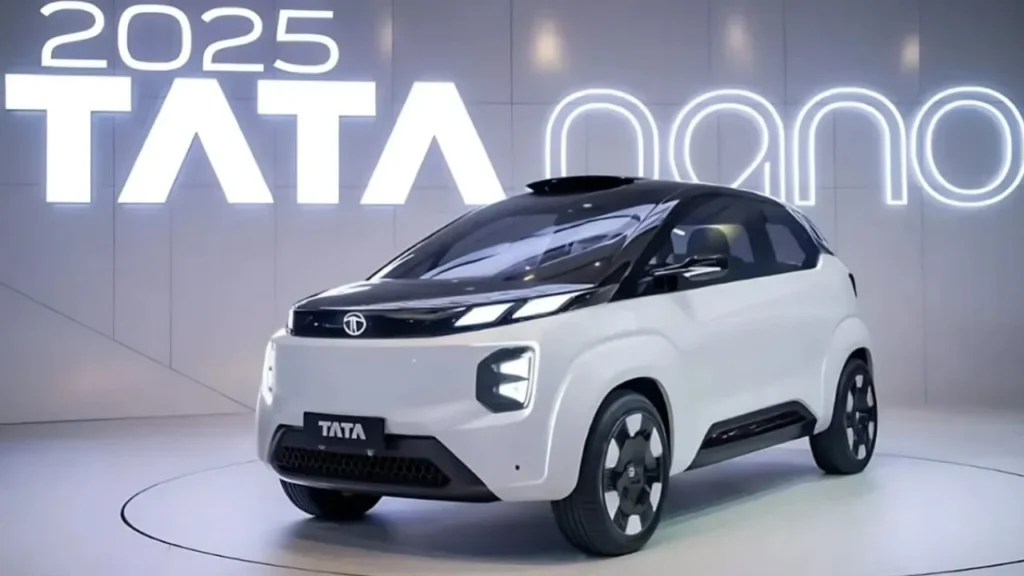
Tata Nano: The Rise, Fall, and Electric Comeback Story of India’s Most Ambitious Car

Introduction: The Dream That Aimed to Change Indian Mobility The Tata Nano wasn’t just another car launch — it was a dream on wheels. When Ratan Tata unveiled it in 2008, the world paused to watch India attempt something extraordinary. The vision was simple yet revolutionary: give millions of Indian families a safe, dignified alternative to scooters at a price point that seemed almost impossible — around ₹1 lakh. At a time when families of four squeezed onto two-wheelers, the Nano promised comfort, safety, and pride. International media hailed it as the “People’s Car,” a marvel of engineering, and a symbol of India’s rising innovation. Bookings poured in, hope soared, and the Nano became a beacon of possibility. But dreams don’t always translate into reality. Despite the hype, the Nano stumbled, and its story became one of the most talked-about business lessons in automotive history Understanding the Vision: Why Tata Nano Was Created India in the early 2000s was buzzing with economic growth, yet car ownership remained a luxury. Roads were dominated by two-wheelers, often unsafe for families. Tata Motors saw this gap and dared to democratize mobility. The Nano was built with ingenious cost-saving measures: lightweight materials, simplified mechanics, a rear-engine layout, and minimalistic interiors. Every detail was designed to keep costs low without stripping away the essence of mobility. From an engineering standpoint, it was groundbreaking. But cars aren’t just machines — they’re symbols. And perception would prove to be Nano’s biggest hurdle. Why Tata Nano Failed in India : A Deep Market Analysis – The Psychological Barrier of the “Cheapest Car” Ironically, the Nano’s biggest selling point — its affordability — became its downfall. In India, buying a car is more than a purchase; it’s a statement of progress. Instead of pride, many felt Nano ownership screamed financial struggle.Consumers gravitated toward slightly pricier options like the Maruti Suzuki Alto, which carried more aspirational value.  – Safety Concerns and Brand Trust Challenges The dream took another hit when reports of Nano cars catching fire surfaced. Though Tata Motors quickly addressed the issues, the damage was done. Trust in automobiles is fragile, and once shaken, it rarely recovers. – Limited Features and Changing Expectations Indian buyers were evolving fast. They wanted air conditioning that worked well, power steering, infotainment systems, and interiors that felt premium. The Nano, in comparison, felt bare-bones. Later upgrades came, but by then, the first impression had already stuck. – Marketing Missteps Marketing leaned too heavily on price. Cars aren’t sold as commodities; they’re sold as dreams. Instead of positioning Nano as a smart, futuristic city car, campaigns kept hammering “cheap.” That stripped away its aspirational edge. The End of Production : When a Vision Paused – By 2018, declining demand led Tata Motors to discontinue the Tata Nano, bringing an ambitious automotive revolution to a quiet end. However, experts widely believe that Nano was never an engineering failure but rather a product launched ahead of its time, affected by market perception, positioning, and consumer mindset. While Indian buyers earlier associated cars with status and aspiration, today’s mobility needs have shifted toward affordability, efficiency, and sustainability. Interestingly, the Nano’s compact design, low running cost, and urban practicality perfectly align with the modern electric vehicle ecosystem, making its concept more relevant now than ever in India’s rapidly growing EV revolution. Tata Nano EV : India’s Smart Electric Comeback Story The Electric Revolution Changing India Fast forward to today, and India is in the midst of a profound mobility transformation. Rising fuel costs have made traditional petrol and diesel vehicles increasingly expensive to run, while growing urban pollution levels have pushed both policymakers and consumers to look for cleaner alternatives. Climate change concerns are no longer abstract — Indian cities routinely battle hazardous air quality, and reducing vehicular emissions has become a national priority. Government initiatives have played a crucial role in accelerating this shift. Programs like FAME (Faster Adoption and Manufacturing of Hybrid and Electric Vehicles), subsidies on EV purchases, reduced GST rates on electric cars, and investments in charging infrastructure have created a supportive ecosystem for electric mobility. State governments have also introduced their own EV policies, offering incentives such as road tax exemptions, registration fee waivers, and subsidies for setting up charging stations.At the same time, consumer attitudes have evolved dramatically. Unlike in 2008, when affordability was equated with compromise, today’s buyers see electric vehicles as smart, future-ready investments. The appeal lies not just in sustainability but also in long-term cost savings — EVs promise lower running costs, reduced maintenance, and independence from volatile fuel prices. For urban commuters, the convenience of home charging adds another layer of practicality. Expected Tata Nano EV Specifications and Features – Industry discussions suggest the Nano EV will be designed for city commuting, with a driving range of 150–250 km per charge — ideal for office travel and short trips. It is expected to feature lithium-ion batteries, regenerative braking, digital dashboards, smartphone connectivity, and enhanced safety. Its compact dimensions will make it a natural fit for India’s congested streets and tight parking spaces. Charging convenience will be a major advantage. With home charging options, families could power the Nano EV overnight at minimal electricity costs, making it one of the most practical EVs for urban households. Why Tata Nano EV Can Succeed Today Unlike 2008, when car ownership was still tied heavily to social status and aspirational value, today’s buyers are far more pragmatic. Modern consumers prioritize practicality, sustainability, and long-term cost efficiency over mere prestige. Rising fuel prices have made petrol and diesel cars expensive to maintain, while electric vehicles offer a compelling alternative with lower running costs, reduced maintenance, and independence from volatile fuel markets. EVs are no longer seen as “budget compromises” — they are viewed as intelligent, future-ready investments. For young professionals, urban commuters, and environmentally conscious families, owning an EV signals smart decision-making and alignment with global sustainability trends. Government incentives have further tilted the scales. Subsidies under the FAME II scheme,

Tata Nano: The Rise, Fall, and Electric Comeback Story of India’s Most Ambitious Car Read More »

BrandLift

AI Summit 2026: Shaping the Future of Artificial Intelligence

Understanding the Concept of an AI Summit An AI Summit is far more than a technology showcase — it’s a strategic global forum where the future of Artificial Intelligence is debated, shaped, and directed. These summits bring together heads of state, CEOs of major tech companies, policymakers, researchers, investors, and universities. The goal isn’t just to talk about AI, but to decide how it will be integrated into economies, societies, and governance structures.AI today is deeply woven into everyday life. It drives economic growth, strengthens national security, transforms healthcare, redefines education, and even influences cultural narratives. Because of this wide impact, AI Summits have become essential platforms where ethics, innovation, and regulation converge. They are about showcasing breakthroughs, yes, but equally about building trust, setting standards, and creating policies that ensure AI benefits humanity as a whole. Search Uncategorized AI Summit 2026: Shaping the Future of Artificial Intelligence February 19, 2026 6 Min read Uncategorized Elementor #8323 February 19, 2026 1 Min read Uncategorized E-Commerce Business Explained February 18, 2026 9 Min read Uncategorized India vs Pakistan Match Review February 16, 2026 3 Min read Uncategorized Why Digital Marketing Matters for Business Growth February 6, 2026 3 Min read Uncategorized India–Europe Trade Deal: A New Era of Economic Partnership and Growth January 30, 2026 4 Min read What Happens at an AI Summit? An AI Summit is a mix of inspiration, debate, and demonstration: Keynote Speeches: World leaders, tech giants, and scientists share visions for national AI strategies and inclusive growth. Panel Discussions: Experts explore AI in healthcare, education, cybersecurity, robotics, and ethics — often using real-world case studies to highlight both opportunities and risks. Technology Exhibitions: Startups, universities, and companies showcase AI-powered products, from robotics to analytics platforms, showing how research is being turned into practical solutions. Networking Sessions: Governments, investors, and institutions connect — sparking collaborations, funding partnerships, and cross-border research initiatives. Why AI Summits Matter AI is transforming industries everywhere. In healthcare, it predicts diseases and analyzes medical images. In agriculture, it helps farmers optimize crops and forecast weather. In finance, it detects fraud and automates risk assessment. In education, it personalizes learning and improves accessibility. But with this power come challenges: job shifts, privacy concerns, and security risks. Governments need balanced regulations, and AI Summits provide the perfect environment to discuss responsible frameworks that encourage innovation while protecting citizens’ rights. They also emphasize inclusivity. Developing nations see AI as a tool for social development, rural empowerment, and public service automation. Summits ensure that AI’s benefits aren’t concentrated in a few advanced economies but shared more equitably. The India AI Impact Summit One standout example is the India AI Impact Summit in New Delhi, which aimed to position India as a leader in the Global South. Prime Minister Narendra Modi inaugurated the event, stressing inclusive AI growth, ethical innovation, and real-world problem-solving — from healthcare access to agricultural productivity and language diversity. India’s vision was clear: make AI accessible to both urban and rural populations through digital infrastructure and skill-building initiatives. The summit drew global tech companies, researchers, universities, and policymakers. It became a platform to discuss India’s AI roadmap, startup ecosystem, research investments, and regulatory frameworks for safe deployment. The Galgotias University Robotic Dog Controversy At the India AI Impact Summit 2026 in New Delhi, Galgotias University found itself at the center of a controversy when it showcased a robotic dog named Orion as part of its Centre of Excellence and innovation ecosystem. Initially praised as a symbol of advanced robotics, Orion quickly drew scrutiny when observers and media outlets identified it as nearly identical to the Unitree Go2, a commercially available robotic dog from China. A video clip of a staff member presenting Orion went viral, with many interpreting the remarks as suggesting the robot had been developed in-house, fueling suspicions of misrepresentation. Social media backlash intensified after Doordarshan News aired footage of Orion, which viewers flagged as the same Unitree model. Reports from multiple outlets claimed the university was asked to vacate its stall, and although Galgotias initially denied this, staff were later seen leaving the pavilion, reinforcing perceptions of removal. The incident highlighted how quickly reputational challenges can escalate at global technology events, underscoring the importance of transparency, clear communication, and authenticity when institutions present innovations on international platforms.. Lessons from the Galgotias Case The Galgotias University episode serves as a powerful reminder of how fragile credibility can be in the world of innovation. At high-profile summits, where institutions are expected to showcase their best work, authenticity is non-negotiable. Universities and companies must be crystal clear about whether a product is their own creation, a collaborative project, or a commercially sourced tool used for demonstration. Any ambiguity, even if unintended, can quickly be interpreted as misrepresentation. The case also highlights the speed at which public perception forms in the digital age — a single viral clip or social media post can overshadow years of genuine effort.  Once a narrative of doubt takes hold, it spreads rapidly, often faster than clarifications or apologies can catch up. For institutions, the lesson is to invest in transparent communication strategies, train representatives thoroughly, and prepare for scrutiny with documentation and clear messaging. Beyond protecting reputation, this approach builds trust with audiences, partners, and policymakers. Ultimately, the Galgotias controversy illustrates that innovation alone is not enough; credibility, honesty, and clarity are equally vital for institutions seeking to establish themselves as leaders in the global technology ecosystem. Ethics and Governance at AI Summits Modern AI Summits aren’t just about technology — they’re about responsibility. Key discussions often revolve around:   Algorithmic Bias: Ensuring fairness in AI systems. Deepfakes & Cybersecurity: Tackling threats posed by advanced AI tools. Data Privacy: Balancing innovation with protection of citizens’ rights. Workforce transformation is another hot topic. Automation may displace certain jobs, but it also creates new ones in AI engineering, data science, and digital infrastructure. That’s why reskilling programs and AI literacy campaigns are frequently emphasized. The Future of AI Summits  

AI Summit 2026: Shaping the Future of Artificial Intelligence Read More »

adobestock 241431868 1 scaled 1

E-Commerce Business Explained

What is E – Commerce The Digital Paradigm: A Deep Dive into Modern E-Commerce At its most fundamental level, E-commerce (Electronic Commerce) is the sophisticated act of trading goods, services, or even digitized information across the vast, interconnected expanse of the internet. However, as we navigate the hyper-connected era of 2026, e-commerce has transcended simple transactions to become a living, breathing digital ecosystem that dictates how global economies function. It represents the seamless, invisible bridge between a consumer’s sudden psychological whim and a brand’s mechanical fulfillment, spanning across ultra-fast mobile applications, interactive social media storefronts, and monolithic global marketplaces.The true magic of modern e-commerce lies in its frictionless nature. Consider the complex journey condensed into seconds: a user discovers an artisanal product through a high-definition targeted video on their social feed, scans dozens of peer reviews for immediate social proof, adds the item to a virtual cart with a single haptic tap, and completes the transaction using encrypted biometric authentication like FaceID. Within a matter of days—or in major metropolitan hubs, mere hours—that product is physically present at their doorstep. This “anytime, anywhere” accessibility has fundamentally rewired human psychology, permanently shifting our collective expectations regarding retail speed, inventory variety, and the intrinsic value of our personal time. The Architectural Pillars: Decoding Business Models To truly grasp the mechanics of e-commerce, one must look at the “handshake”—the specific relationship between the seller and the buyer. The landscape is generally categorized into four primary quadrants, each with its own set of psychological triggers and operational rules. 1. Business-to-Consumer (B2C) This is the retail experience most familiar to the general public. It involves a brand—like Nike, Apple, or a local grocery delivery app—selling directly to the end user. In the B2C realm, emotion, storytelling, and visual identity are the reigning monarchs. Because the barrier to “leaving” a digital store is just a single click or a swipe-up, these businesses must obsess over User Interface (UI) and User Experience (UX). If the checkout process feels even slightly clunky or if the mobile site is slow, the customer is gone, often migrating to a competitor within seconds. 2. Business-to-Business (B2B) B2B is the “invisible engine” that keeps the global economy humming. This model involves transactions between two corporate entities—such as a raw fabric manufacturer selling in bulk to a clothing designer, or a software firm providing enterprise-level cloud security to a multinational bank. These transactions are rarely impulsive; they are driven by cold logic, massive data sets, and long-term legal contracts. The focus here isn’t on flashy Instagram ads, but on reliability, volume discounts, and seamless API integrations. 3. Consumer-to-Consumer (C2C) Fueled by the rise of the “circular economy” and a global shift toward environmental consciousness, C2C is where individuals trade with one another. Platforms like eBay, Poshmark, or Depop allow us to recycle value and give products a second life. This model thrives entirely on decentralized trust—the system only functions if buyer and seller ratings are transparent and the community self-regulates to weed out bad actors through rigorous feedback loops. 4. Consumer-to-Business (C2B) This is a fascinating modern reversal of the traditional power dynamic. In a C2B model, the individual offers value to the corporation. Think of a freelance graphic designer bidding on a project for a tech firm, or a social media influencer charging a beauty brand for a sponsored post. The rise of the “Gig Economy” and platforms like Upwork or Fiverr has made C2B one of the fastest-growing and most disruptive sectors in the digital space. The Titans Defining the Global Standard Amazon The undisputed gold standard for logistics and “customer obsession,” Amazon has effectively turned the entire planet into a neighborhood convenience store through its Prime infrastructure and predictive shipping algorithms. Alibaba & JD.com These Eastern giants have revolutionized the concept of the global supply chain, proving that Business-to-Business (B2B) trade can be just as agile, reactive, and user-friendly as buying a simple pair of sneakers Shopify & BigCommerce While marketplaces dominate traffic, these “Software as a Service” (SaaS) platforms have democratized the industry, empowering a local craftsman to compete directly with Fortune 500 brands from a home studio with professional-grade tools. The Competitive Edge: Why Digital Presence is Non-Negotiable For a modern enterprise, establishing a robust online presence isn’t just a strategic “add-on”—it is a fundamental survival mechanism in an increasingly digital-first world. The advantages of the digital storefront far outweigh the traditional brick-and-mortar limitations in several key areas: • Boundless Borders: A physical boutique in London or New York is limited by the number of people who walk down its specific street. An e-commerce store, however, can facilitate a sale to a customer in Tokyo or Sydney while the shop owner is asleep. It turns the entire world into a single, unified, 24/7 marketplace.• Financial Agility & Lean Operations: You don’t need a mahogany checkout counter, a 10-year commercial lease, or a massive fleet of floor staff. By leveraging modern models like Dropshipping or Third-Party Logistics (3PL), entrepreneurs can launch and scale global brands with almost zero upfront inventory costs and minimal overhead.• The Power of Granular Data: In a physical store, you often don’t know why a customer put an item back on the shelf. In e-commerce, you have “Heat Maps” and “Cart Abandonment” data. You can see exactly where a user hesitated, what images they hovered over, and what specific price point triggered a purchase. This allows for hyper-optimization and A/B testing that was historically impossible for small businesses. The Growth Engines: SEO & The Science of Visibility If a store launches in the middle of a digital forest and no one is there to click it, does it actually exist? This is the central problem that Search Engine Optimization (SEO) and Performance Marketing aim to solve in an overcrowded marketplace. The Long Game: Technical SEO SEO is the art and science of convincing search engines like Google that your website is the most authoritative, relevant answer to a user’s query. This isn’t just about

E-Commerce Business Explained Read More »

b0ca37b31956c310c645c6e5b980d43c

India vs Pakistan Match Review

A Classic Rivalry That Delivered Another Unforgettable Night The Rivalry That Stops a Nation When the India national cricket team faces the Pakistan national cricket team, it is never just another fixture on the calendar. It is an emotion that runs deep across generations. From living rooms to packed stadiums, millions pause their routines to witness a rivalry that has defined cricket history for decades. The build-up itself feels like a grand event, filled with debates, predictions, and memories of past classics. A Fierce Battle of Skill and Nerve From the very first delivery, the intensity was undeniable. The bowlers attacked with precision, maintaining disciplined lines and testing the batters with smart variations. In response, the batters displayed confidence and control, balancing caution with aggression. Each boundary sparked celebration, while every wicket triggered emotional reactions across both camps. From the very first delivery, the intensity was undeniable. The bowlers attacked with precision, maintaining disciplined lines and testing the batters with smart variations . From the very first delivery, the intensity was undeniable. The bowlers attacked with precision, maintaining disciplined lines and testing the batters with smart variations. In response, the batters displayed confidence and control, balancing caution with aggression. Each boundary sparked celebration, while every wicket triggered emotional reactions across both camps. Momentum shifted repeatedly throughout the game. Just when one team appeared to seize control, the other responded with resilience. Partnerships were built carefully under pressure, and breakthroughs arrived at critical moments. It was a contest shaped not only by talent but by mental strength. Tactical Brilliance in the Middle Overs As the match progressed, strategy became the key factor. Captains rotated bowlers cleverly, field placements were adjusted to cut off scoring opportunities, and players adapted to the evolving match situation. This phase highlighted the intelligence and experience within both squads. The game slowed at times, but the tension never faded. Every run mattered, and every over carried significance. A Nail-Biting Finish That Defined the Night The final overs delivered exactly what fans expect from an India vs Pakistan clash — pure drama. Every ball felt decisive, and the atmosphere turned almost unbearable with anticipation. Supporters held their breath as the scoreboard tightened, knowing that a single mistake could change everything. The climax of the match ensured that this encounter will be remembered for years to come. It was the kind of finish that reminds us why this rivalry remains unmatched in world cricket. Beyond the Result: The Spirit of the Game While the competition was fierce, moments after the final ball reflected mutual respect between the teams. Handshakes, smiles, and gestures of sportsmanship showed that despite the intensity, cricket continues to unite fans across borders. Final Thoughts Another India vs Pakistan showdown, another unforgettable night etched into cricket history. This rivalry continues to deliver not just thrilling matches but emotional experiences that transcend boundaries. It is a celebration of skill, passion, and the timeless magic of cricket. Whenever India meets Pakistan, the world watches — and once again, the rivalry proved why it is the greatest spectacle in the game. 

India vs Pakistan Match Review Read More »