
Understanding the Concept of an AI Summit

An AI Summit is far more than a technology showcase — it’s a strategic global forum where the future of Artificial Intelligence is debated, shaped, and directed. These summits bring together heads of state, CEOs of major tech companies, policymakers, researchers, investors, and universities. The goal isn’t just to talk about AI, but to decide how it will be integrated into economies, societies, and governance structures.AI today is deeply woven into everyday life. It drives economic growth, strengthens national security, transforms healthcare, redefines education, and even influences cultural narratives. Because of this wide impact, AI Summits have become essential platforms where ethics, innovation, and regulation converge. They are about showcasing breakthroughs, yes, but equally about building trust, setting standards, and creating policies that ensure AI benefits humanity as a whole.
Sanju Samson 2.0 Inspiring Biography, Age, Stats, IPL Career, Wife & CSK Trade News
🇮🇳 Sarvam AI: India’s Sovereign Artificial Intelligence Revolution
What Happens at an AI Summit?
An AI Summit is a mix of inspiration, debate, and demonstration:
Keynote Speeches: World leaders, tech giants, and scientists share visions for national AI strategies and inclusive growth.
Panel Discussions: Experts explore AI in healthcare, education, cybersecurity, robotics, and ethics — often using real-world case studies to highlight both opportunities and risks.
Technology Exhibitions: Startups, universities, and companies showcase AI-powered products, from robotics to analytics platforms, showing how research is being turned into practical solutions.
Networking Sessions: Governments, investors, and institutions connect — sparking collaborations, funding partnerships, and cross-border research initiatives.
Why AI Summits Matter
AI is transforming industries everywhere. In healthcare, it predicts diseases and analyzes medical images. In agriculture, it helps farmers optimize crops and forecast weather. In finance, it detects fraud and automates risk assessment. In education, it personalizes learning and improves accessibility.
But with this power come challenges: job shifts, privacy concerns, and security risks. Governments need balanced regulations, and AI Summits provide the perfect environment to discuss responsible frameworks that encourage innovation while protecting citizens’ rights.
They also emphasize inclusivity. Developing nations see AI as a tool for social development, rural empowerment, and public service automation. Summits ensure that AI’s benefits aren’t concentrated in a few advanced economies but shared more equitably.
The India AI Impact Summit
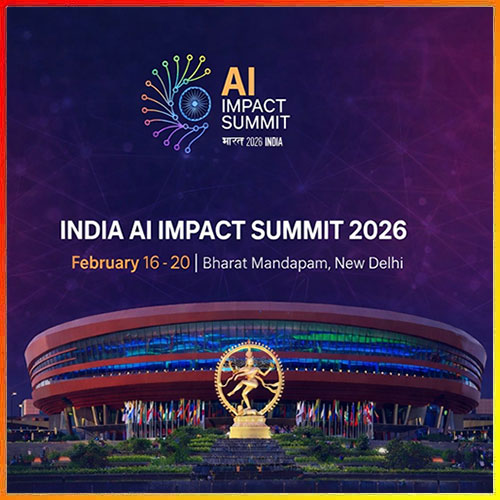
One standout example is the India AI Impact Summit in New Delhi, which aimed to position India as a leader in the Global South.
Prime Minister Narendra Modi inaugurated the event, stressing inclusive AI growth, ethical innovation, and real-world problem-solving — from healthcare access to agricultural productivity and language diversity. India’s vision was clear: make AI accessible to both urban and rural populations through digital infrastructure and skill-building initiatives.
The summit drew global tech companies, researchers, universities, and policymakers. It became a platform to discuss India’s AI roadmap, startup ecosystem, research investments, and regulatory frameworks for safe deployment.
The Galgotias University Robotic Dog Controversy




At the India AI Impact Summit 2026 in New Delhi, Galgotias University found itself at the center of a controversy when it showcased a robotic dog named Orion as part of its Centre of Excellence and innovation ecosystem. Initially praised as a symbol of advanced robotics, Orion quickly drew scrutiny when observers and media outlets identified it as nearly identical to the Unitree Go2, a commercially available robotic dog from China. A video clip of a staff member presenting Orion went viral, with many interpreting the remarks as suggesting the robot had been developed in-house, fueling suspicions of misrepresentation. Social media backlash intensified after Doordarshan News aired footage of Orion, which viewers flagged as the same Unitree model. Reports from multiple outlets claimed the university was asked to vacate its stall, and although Galgotias initially denied this, staff were later seen leaving the pavilion, reinforcing perceptions of removal. The incident highlighted how quickly reputational challenges can escalate at global technology events, underscoring the importance of transparency, clear communication, and authenticity when institutions present innovations on international platforms..
Lessons from the Galgotias Case
The Galgotias University episode serves as a powerful reminder of how fragile credibility can be in the world of innovation. At high-profile summits, where institutions are expected to showcase their best work, authenticity is non-negotiable. Universities and companies must be crystal clear about whether a product is their own creation, a collaborative project, or a commercially sourced tool used for demonstration. Any ambiguity, even if unintended, can quickly be interpreted as misrepresentation. The case also highlights the speed at which public perception forms in the digital age — a single viral clip or social media post can overshadow years of genuine effort.
Once a narrative of doubt takes hold, it spreads rapidly, often faster than clarifications or apologies can catch up. For institutions, the lesson is to invest in transparent communication strategies, train representatives thoroughly, and prepare for scrutiny with documentation and clear messaging. Beyond protecting reputation, this approach builds trust with audiences, partners, and policymakers. Ultimately, the Galgotias controversy illustrates that innovation alone is not enough; credibility, honesty, and clarity are equally vital for institutions seeking to establish themselves as leaders in the global technology ecosystem.
Ethics and Governance at AI Summits
Modern AI Summits aren’t just about technology — they’re about responsibility. Key discussions often revolve around:
Algorithmic Bias: Ensuring fairness in AI systems.
Deepfakes & Cybersecurity: Tackling threats posed by advanced AI tools.
Data Privacy: Balancing innovation with protection of citizens’ rights.
Workforce transformation is another hot topic. Automation may displace certain jobs, but it also creates new ones in AI engineering, data science, and digital infrastructure. That’s why reskilling programs and AI literacy campaigns are frequently emphasized.

The Future of AI Summits
As AI continues to evolve, summits are expected to become even more influential, serving as global decision-making platforms.
International AI Treaties: Just as climate change led to global agreements, AI may soon require treaties to regulate its ethical use, prevent misuse, and ensure equitable access.
Cross-Border Collaborations: AI research is increasingly global. Future summits will likely foster partnerships between nations, universities, and corporations to accelerate innovation while maintaining safety standards.
AI Diplomacy: Experts envision summits becoming arenas for “AI diplomacy,” where nations negotiate how to manage AI’s geopolitical impact responsibly — from military applications to trade policies.
Interdisciplinary Participation: Future summits will not be limited to technologists. Social scientists, ethicists, economists, environmental experts, and even cultural leaders will play a role, reflecting AI’s wide-ranging impact on society.
Global Ethical Councils: Summits may establish permanent councils to monitor AI’s development, ensuring accountability and guiding nations toward responsible adoption.
Conclusion
An AI Summit is far more than a conference — it is a strategic platform where innovation, governance, ethics, and collaboration intersect. From keynote speeches and robotics demonstrations to policy debates and startup investments, these events shape how AI integrates into society. The India AI Impact Summit demonstrated India’s ambition to lead in the global AI ecosystem, while the Galgotias University case served as a cautionary tale about transparency and credibility. Together, they remind us that while AI innovation is powerful, trust and authenticity are equally essential. As the world moves deeper into an AI-driven era, summits like these will continue to guide how technology evolves — responsibly, inclusively, and sustainably. They are not just about machines and algorithms, but about shaping a future where AI serves humanity with fairness, accountability, and vision.