
India–Europe Trade Deal: Building Bridges for a Shared Future
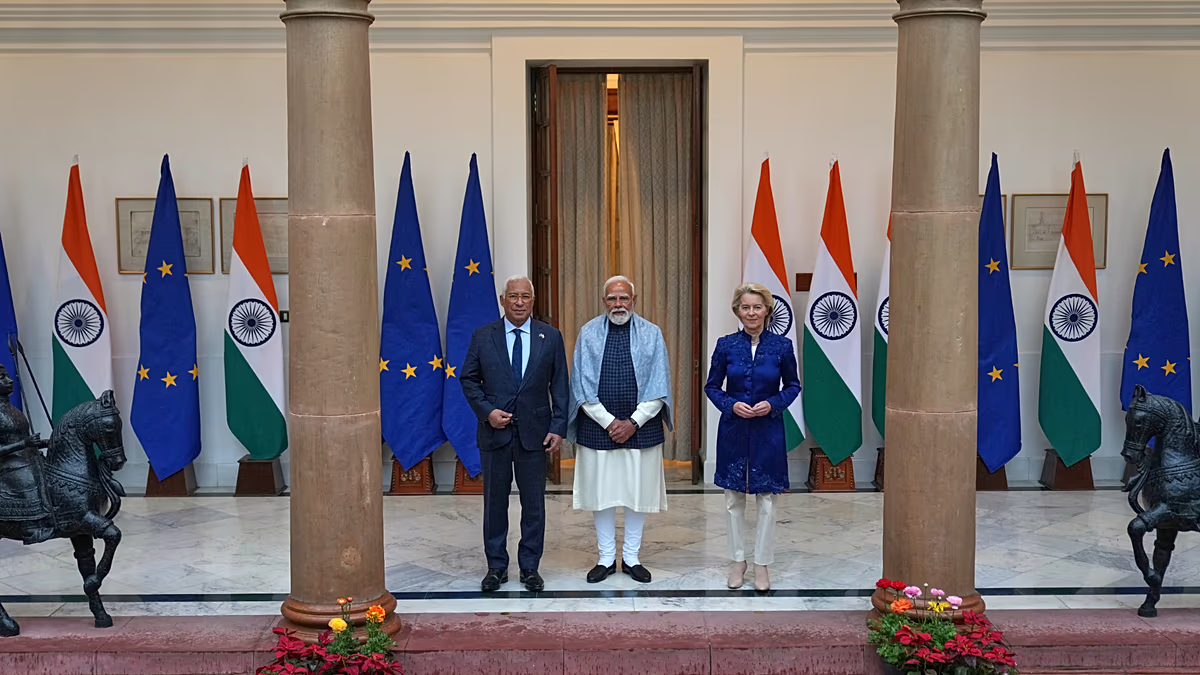
A Longstanding Relationship, Ready for Renewal
India and Europe have been trading partners for decades. The EU is already one of India’s biggest trading partners, while India offers Europe a fast-growing market with enormous potential.Yet, despite strong numbers, the relationship hasn’t always been smooth. High tariffs, regulatory hurdles, and complex certification processes have slowed progress. The new trade deal is designed to cut through these barriers and unlock opportunities that have been waiting on the sidelines.
Why This Deal Matters
This isn’t just another free trade agreement. It’s about shared values and strategic alignment. Both India and Europe want to diversify supply chains, reduce over-reliance on single markets, and strengthen their economic sovereignty.In short, the deal is about future-proofing economies while also reinforcing democratic and sustainable principles in global trade.
What’s Inside the Deal
1. Easier Trade in Goods
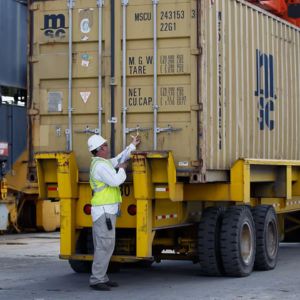
Tariffs will gradually come down, making it cheaper and smoother to trade everything from pharmaceuticals and engineering goods to textiles and food products. Indian exporters gain better access to European consumers, while European companies tap into India’s booming market
2. Services and Talent Mobility
India’s strength in IT, consulting, and outsourcing is a natural fit for Europe’s demand. The deal will make it easier for professionals to move temporarily, deliver services across borders, and have their qualifications recognized. This is a big win for the knowledge economy.

3. Investment Protection

4. Digital Cooperation

5. Sustainability and Climate Action

6. Support for Small Businesses

The Bigger Picture
Challenges Ahead
Looking Forward
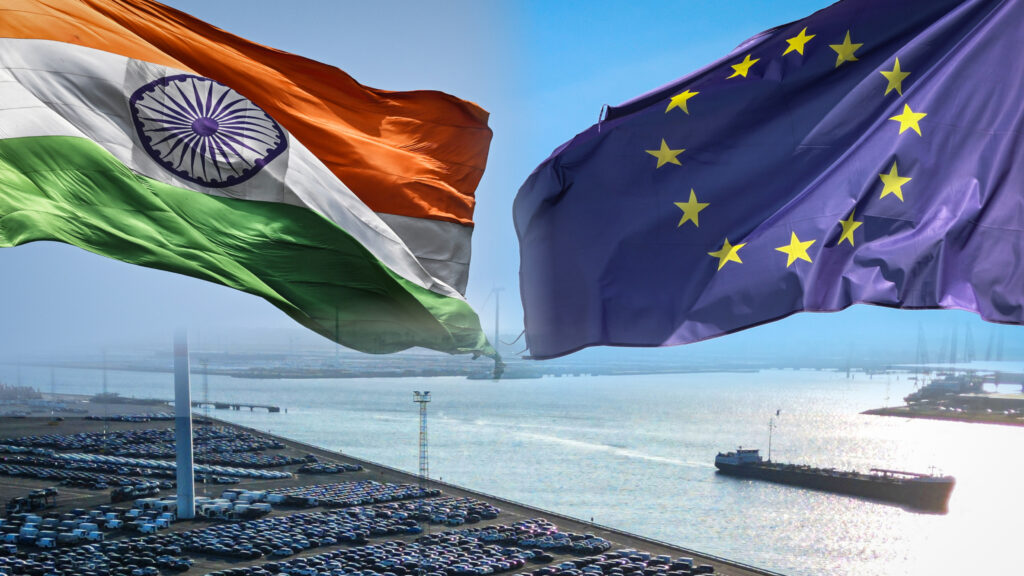
If implemented well, the India–Europe Trade Deal could become one of the most comprehensive frameworks in global trade. It has the potential to set a benchmark for future agreements, proving that trade can be both profitable and principled.
Conclusion
The India–Europe Trade Deal is more than a commercial pact — it’s a vision for shared prosperity. By combining trade liberalization with digital innovation, sustainability, and investment protection, India and Europe are writing a new chapter in their relationship.
This isn’t just about economics. It’s about partnership, values, and a shared responsibility to shape the future of global trade.