
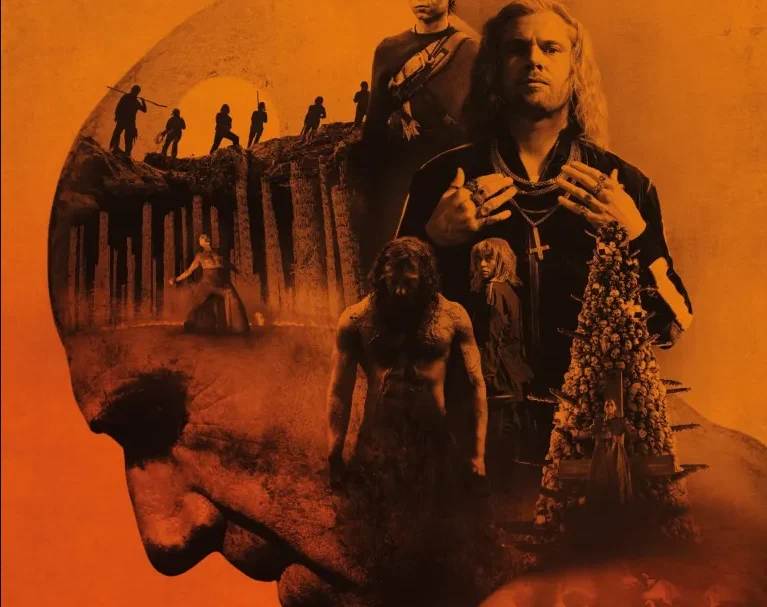
28 Years Later: The Bone Temple – Horror That Cuts Deeper Than the Virus
It’s been nearly three decades since 28 Days Later changed the way we look at zombie films. Now, the franchise returns with 28 Years Later: The Bone Temple — and it’s not just another survival story. This film digs into the scars left behind after decades of fear, violence, and loss, showing us that sometimes the real monsters aren’t the infected, but the people who’ve adapted to a broken world.
Why This Chapter Hits Harder
Instead of leaning only on the chaos of the Rage Virus, The Bone Temple asks tougher questions:
- What happens when generations grow up never knowing peace?
- How does morality survive when survival itself feels like a curse?
- And what does faith look like when it’s twisted into control?
.
The infected are still out there, roaming the ruins of civilization, but the bigger threat is what humanity has become. Settlements have splintered, factions have risen, and cults thrive on fear. Hope is rare, trust is fragile, and compassion is seen as weakness.
The Bone Temple Itself
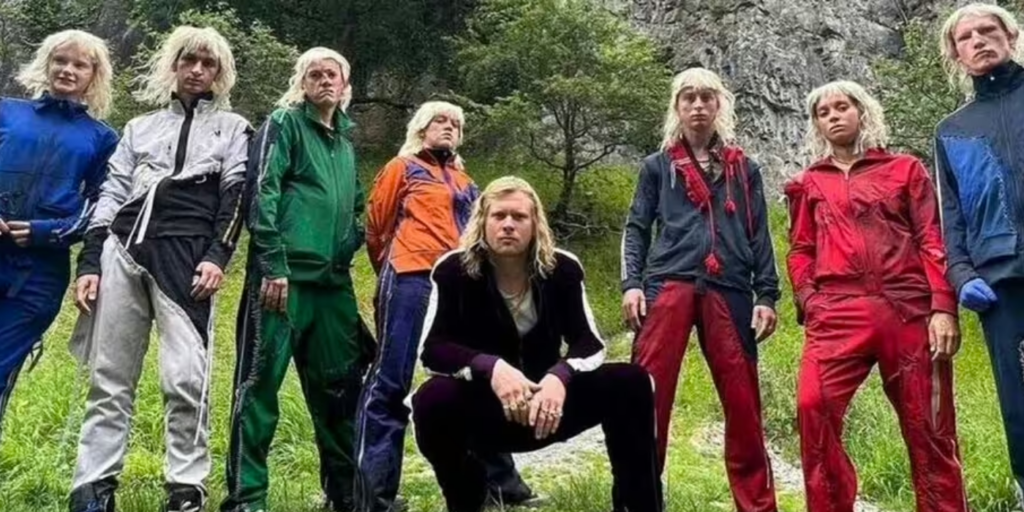
The centerpiece of the film is the Temple — a chilling monument built from desperation and death. It’s ruled by Sir Jimmy Crystal, a cult leader who turns fear into law and obedience into survival. Inside, faith isn’t about hope; it’s about control. It’s a place where safety comes at the cost of freedom, and loyalty is demanded, not earned.
This isn’t just horror about the infected. It’s horror about belief, power, and how easily people surrender themselves when the world offers no other choice.
Performances That Stay With You
- Ralph Fiennes brings quiet heartbreak as Dr. Ian Kelson, a man clinging to ethics in a world that’s forgotten them.
- Jack O’Connell is terrifying as Crystal — calm, persuasive, and utterly ruthless.
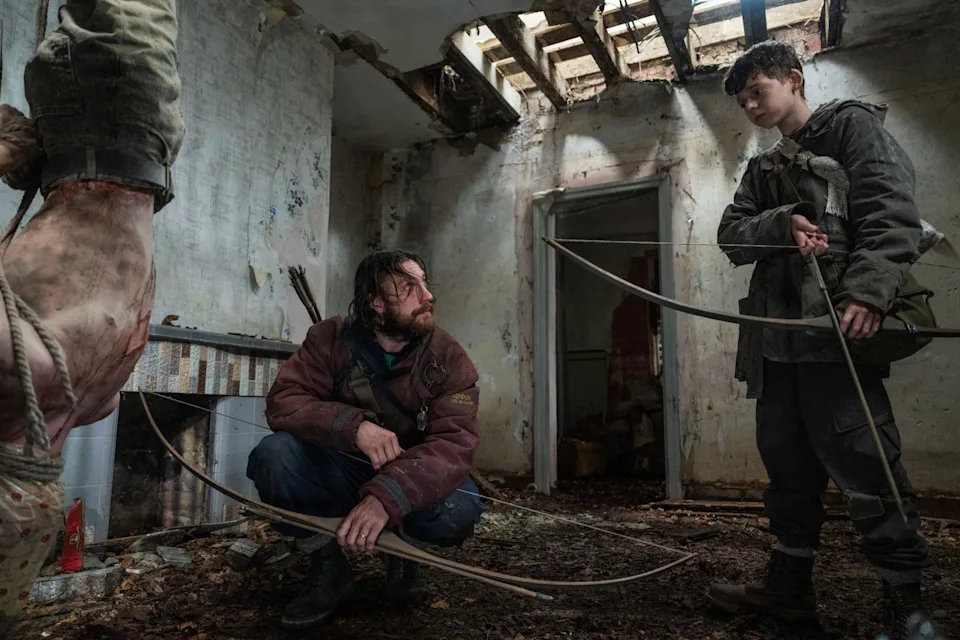
Alfie Williams plays Spike, a survivor who’s never known normal life, embodying the generation born into chaos
Each character represents a different way of coping with the apocalypse: empathy, brutality, belief, or sacrifice. Their clashes aren’t just physical — they’re moral battles that decide what humanity even means anymore.
Atmosphere Over Action
Director Nia DaCosta doesn’t rely on spectacle. She builds dread slowly, letting silence, empty landscapes, and decaying structures speak louder than explosions ever could. Composer Hildur Guðnadóttir adds to the unease with a score that’s as haunting in its quiet moments as it is in its crescendos. Sometimes, the absence of sound is the scariest thing of all.
Themes That Cut Close to Home
This film isn’t just about survival — it’s about what survival costs. It explores:
- The dangers of blind faith and extremist ideology
- The collapse of social and moral structures
- The thin line between leadership and authoritarian control
- The idea that humans, not the virus, may be the ultimate monsters
The message is clear: the Rage Virus may have started the collapse, but it’s fear, power, and desperation that keep humanity infected.
Why It Stands Out
The Bone Temple isn’t just another sequel. It’s a mirror held up to our darkest instincts, asking us to confront uncomfortable truths about belief, control, and the fragility of order. It’s horror that lingers, not because of jump scares, but because it makes you wonder what you’d become if the world never healed.
For fans of intelligent horror, dystopian survival, and stories that cut deep into human psychology, this film promises to be unforgettable. The infected may terrify us — but the real horror is what people do when survival becomes the only law.