
A Complete Guide to Smart Eating & Better Living
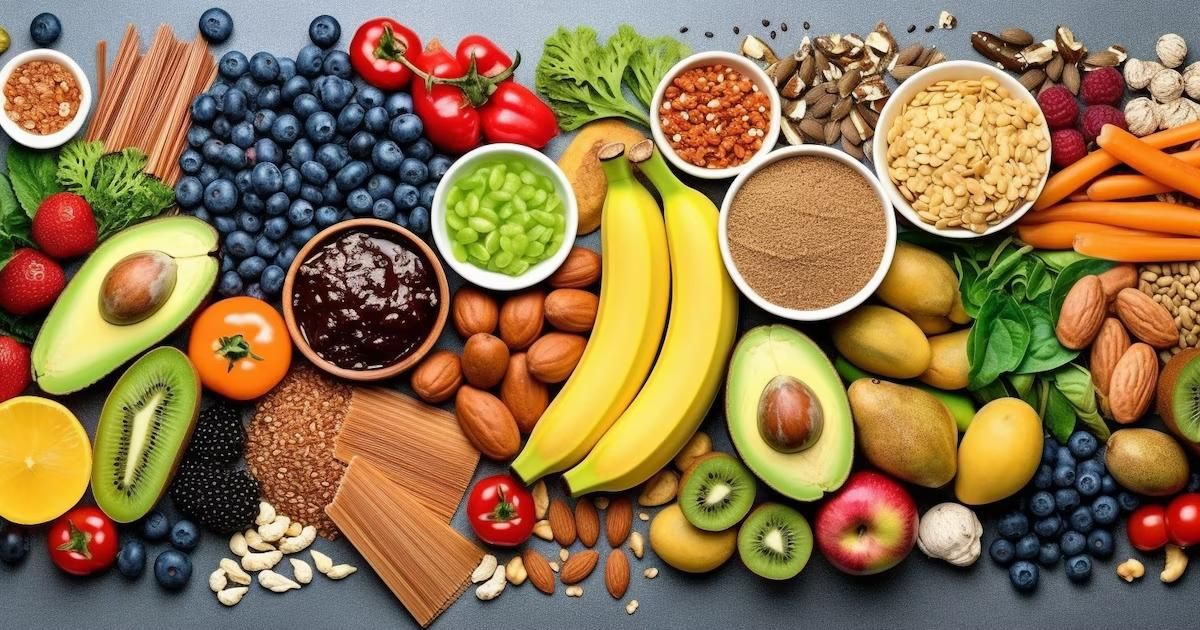
In the modern world, where schedules are packed and responsibilities seem endless, food often becomes something we rush through rather than savor. Many people find themselves skipping meals, grabbing processed snacks, or ordering takeout late at night simply because they don’t have the energy to cook. While these choices may feel convenient in the moment, they can gradually drain our energy, affect our mood, and even contribute to long-term health issues. Healthy cooking and meal planning offer a way out of this cycle. They are not about strict diets or rigid rules, but about creating a lifestyle where food becomes a source of nourishment, joy, and balance. By planning ahead, you can transform mealtimes from stressful decisions into moments of calm and satisfaction, where you know exactly what you’re eating and why it’s good for you.
What is Healthy Meal Planning?
Healthy meal planning is the art of organizing your meals in advance so that you can maintain a balanced diet throughout the week. It’s about being intentional with your food choices rather than reactive. Instead of standing in the kitchen at 8 PM wondering what to cook, you already have a plan, ingredients prepped, and maybe even meals ready to heat. This proactive approach reduces stress, saves time, and helps you stay consistent with your health goals.Importantly, meal planning is flexible. It doesn’t mean you can’t enjoy spontaneous meals or indulge occasionally. It simply provides a framework that keeps you on track most of the time. Think of it as designing your week with food in mind—Mondays might be for simple lentil soups, Tuesdays for stir-fries, and weekends for slightly more elaborate dishes. This structure prevents decision fatigue, ensures variety, and makes healthy eating feel effortless. Over time, it becomes less about discipline and more about habit, seamlessly fitting into your lifestyle.
Benefits of Healthy Meal Planning -
– The benefits of meal planning extend far beyond convenience. One of the most significant advantages is improved nutritional balance. When you plan ahead, you’re more likely to include proteins, complex carbohydrates, healthy fats, and plenty of fruits and vegetables. This variety ensures your body gets the vitamins and minerals it needs to function optimally. For example, a quinoa salad with chickpeas and avocado provides protein,fiber, and healthy fats, while adding colorful vegetables boosts antioxidants and supports immunity.
– Meal planning also saves time and effort. Imagine coming home after a long day and knowing exactly what’s for dinner, with most of the ingredients already prepped. That sense of relief is invaluable. Batch cooking staples like dal, grilled chicken, or roasted vegetables means you can quickly assemble meals during the week without starting from scratch each time.

– Weight management becomes easier too. When meals are planned, portion sizes are more controlled, and you’re less likely to reach for fast food or snacks out of hunger. This consistency supports sustainable weight goals without the stress of dieting.
– Another overlooked benefit is reduced food waste. By buying only what you need for the week, you prevent ingredients from spoiling in the fridge. Leftovers can be creatively repurposed—grilled vegetables can become wraps, soups, or even toppings for whole-grain pizza.
– Finally, meal planning saves money. Cooking at home is almost always cheaper than eating out, and buying grains, pulses, and seasonal produce in bulk lowers costs further. Over time, these savings add up, making healthy eating not just good for your body but also for your wallet.
🍳 Healthy Breakfast Ideas
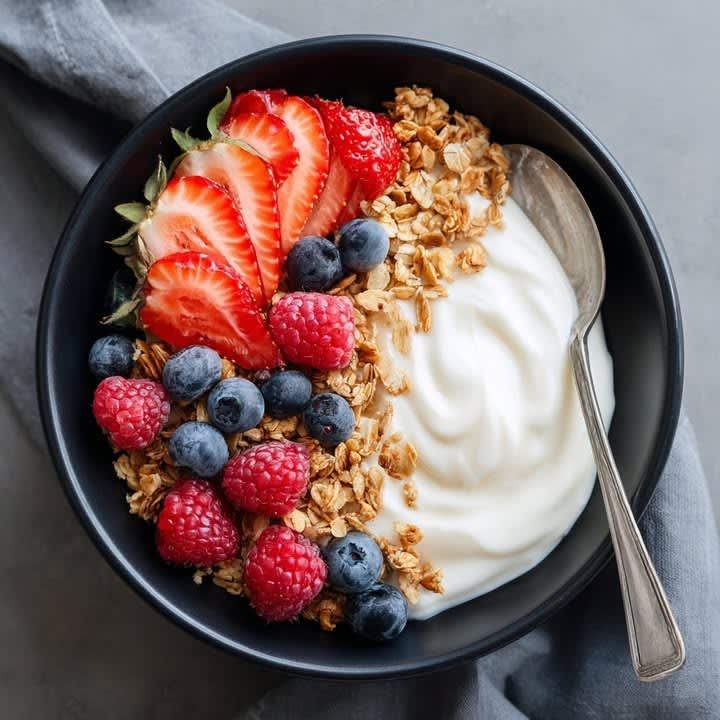
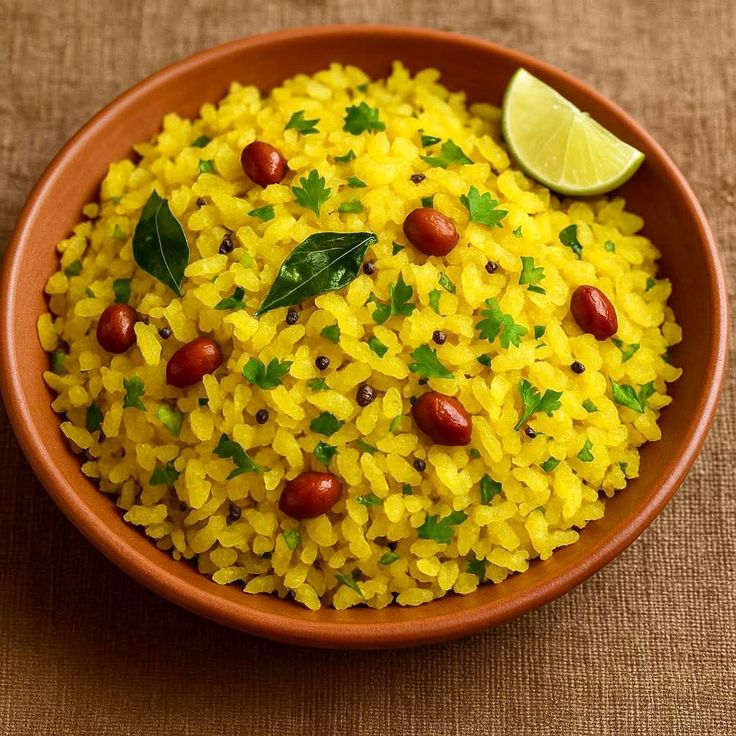
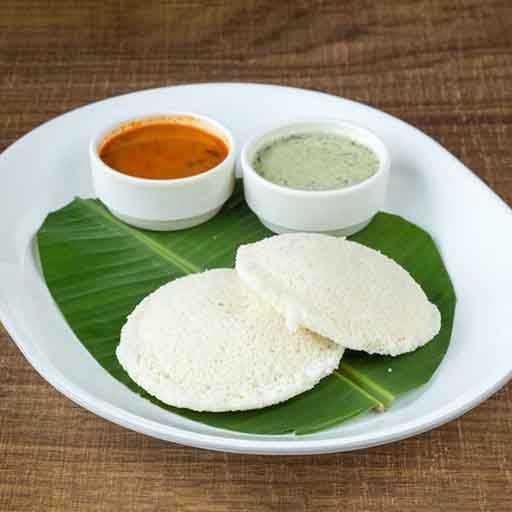
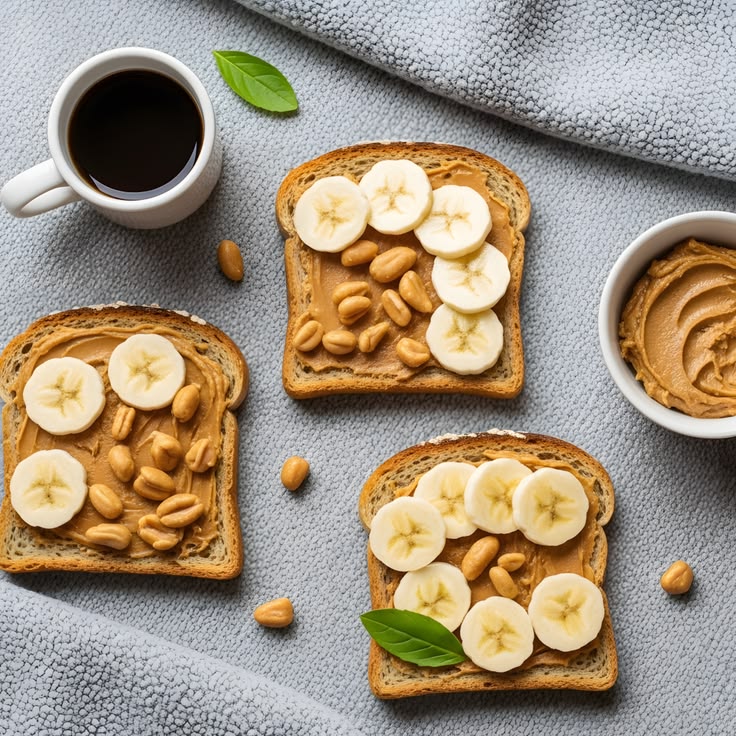
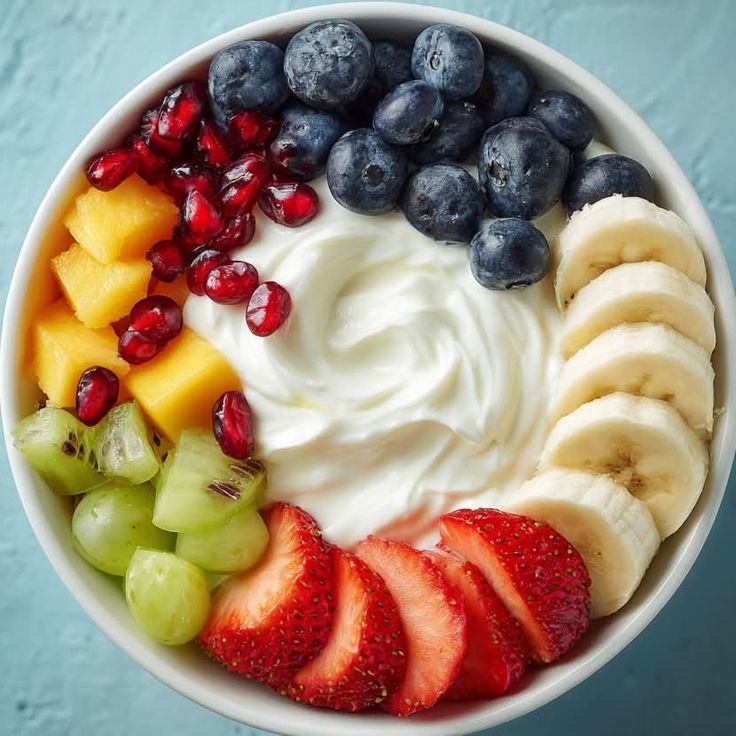
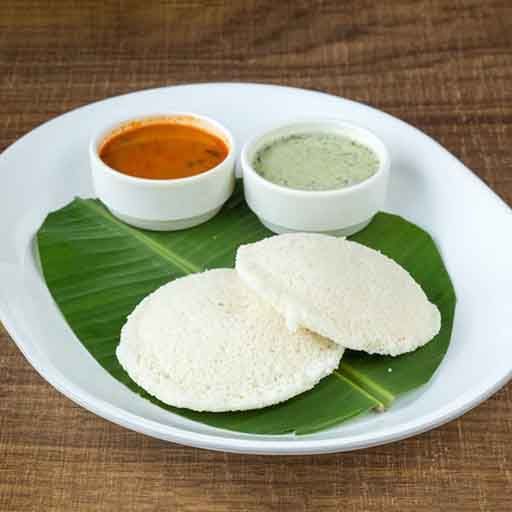
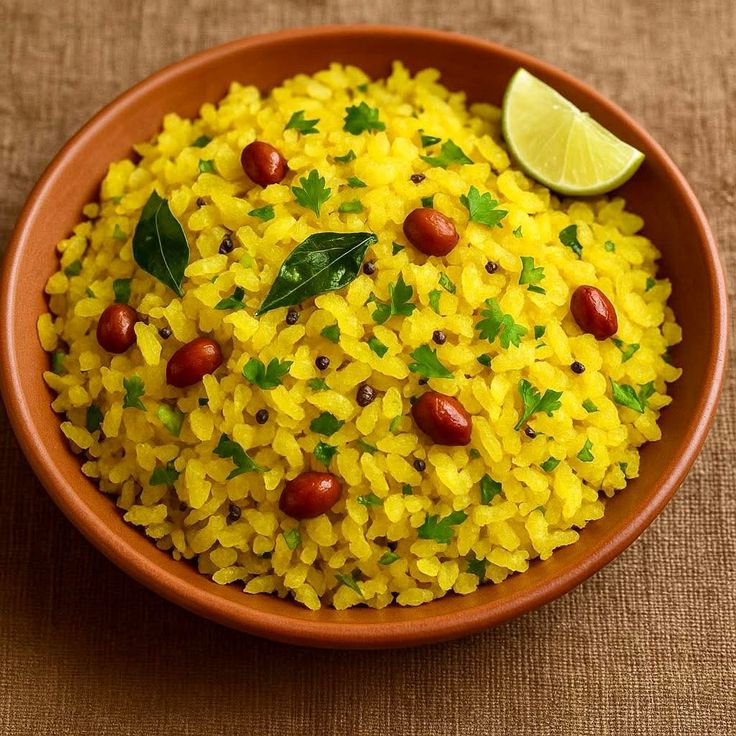
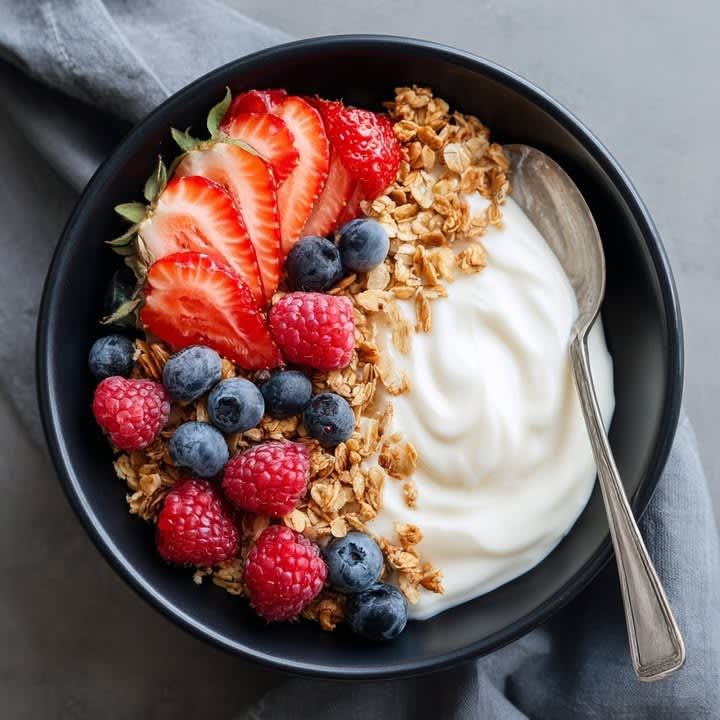
A nutritious breakfast boosts metabolism and improves concentration throughout the day.
Oats porridge with fruits and nuts
Vegetable omelette with whole wheat toast
Smoothie bowl with banana, seeds & yogurt
Poha with vegetables
Multigrain toast with peanut butter
Idli with sambar and coconut chutney
🥙 Healthy Lunch Ideas
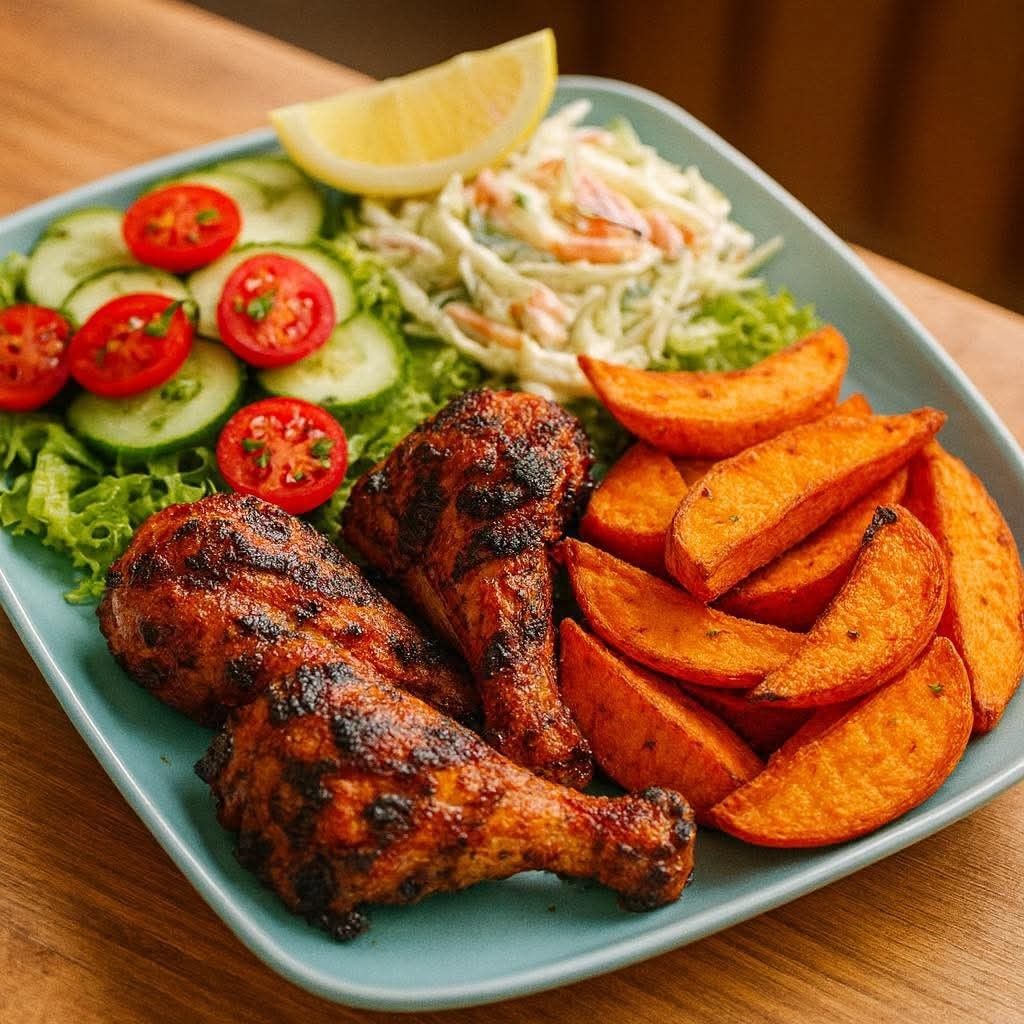
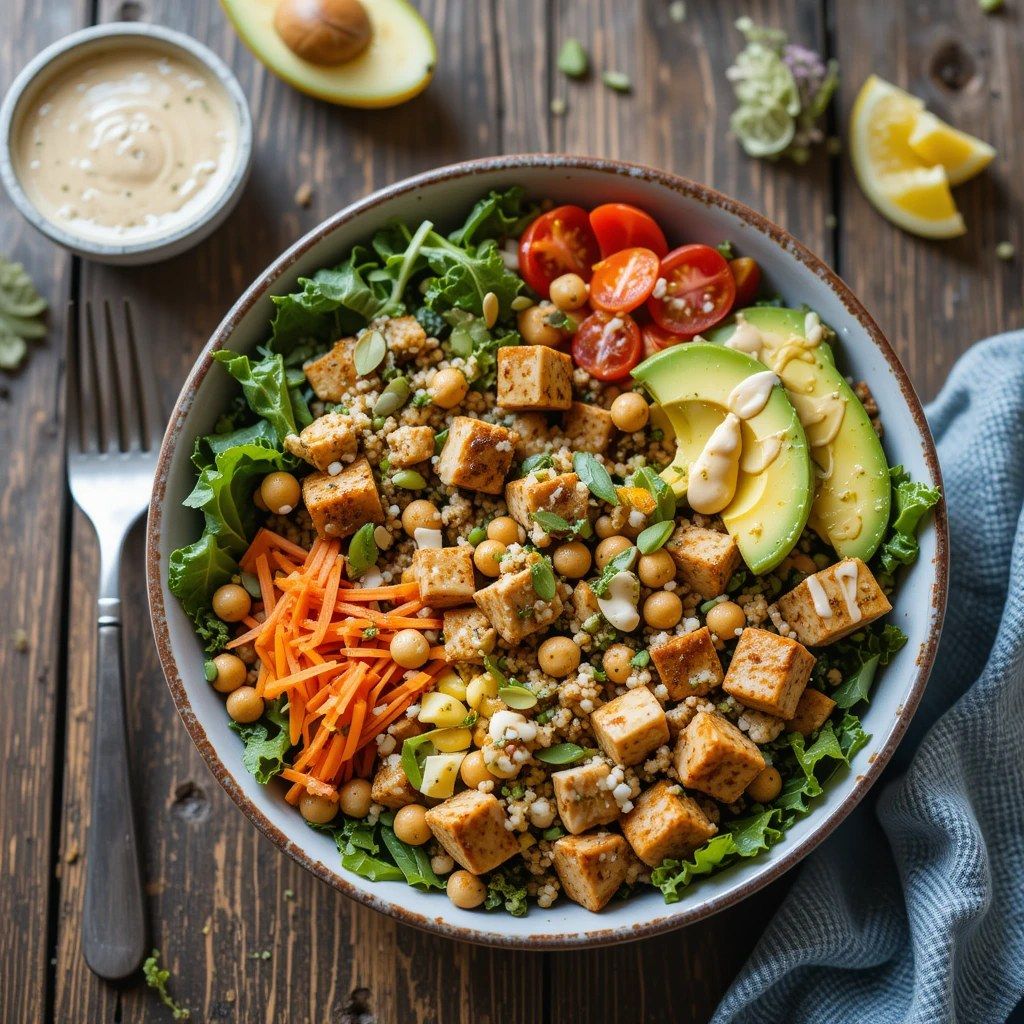
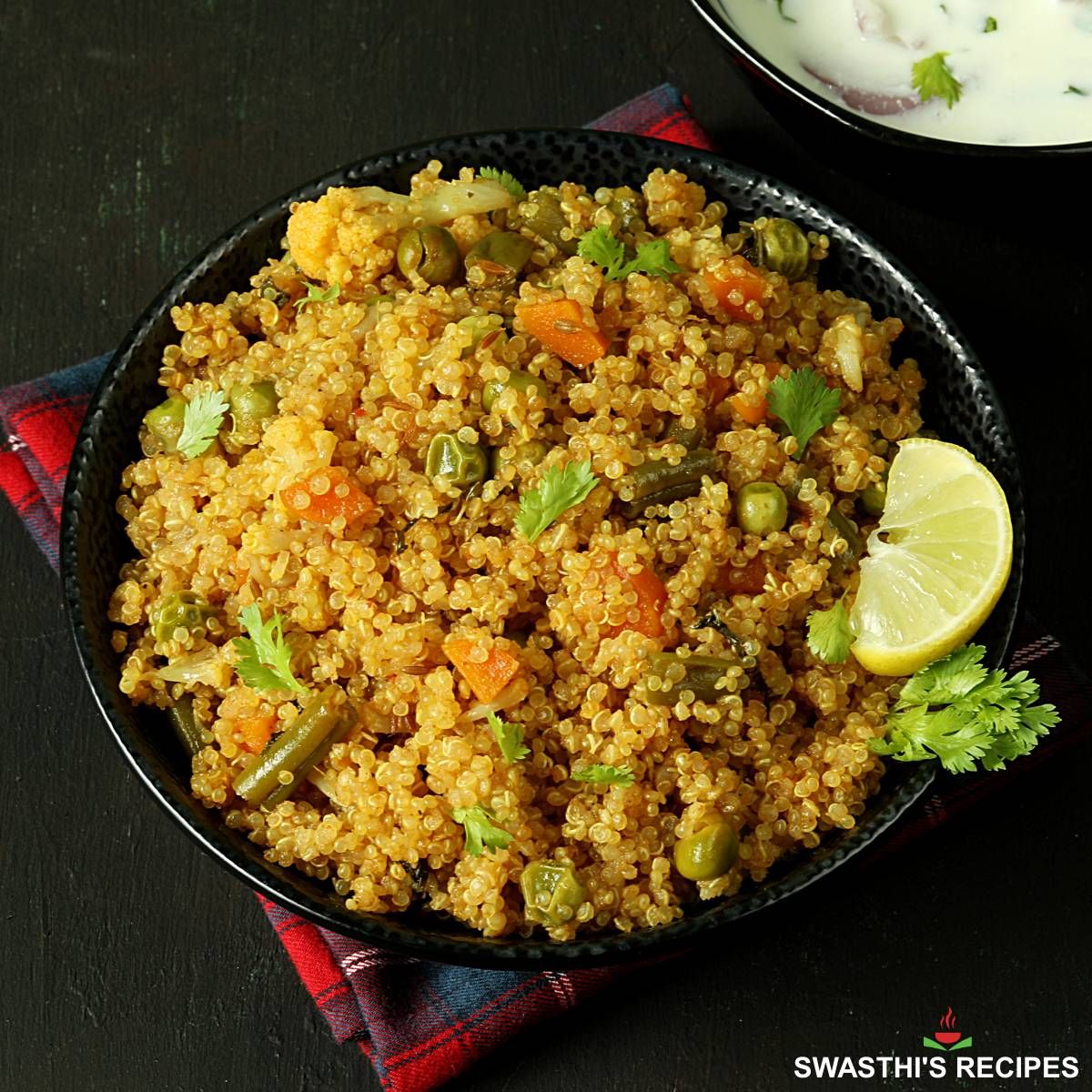
Lunch should provide sustained energy and balanced nutrition.
Brown rice with dal and mixed vegetables
Quinoa salad with chickpeas
Whole wheat roti with paneer or tofu curry
Grilled chicken with sautéed vegetables
Vegetable khichdi with curd
Lentil soup with salad bowl
🍲 Healthy Dinner Ideas
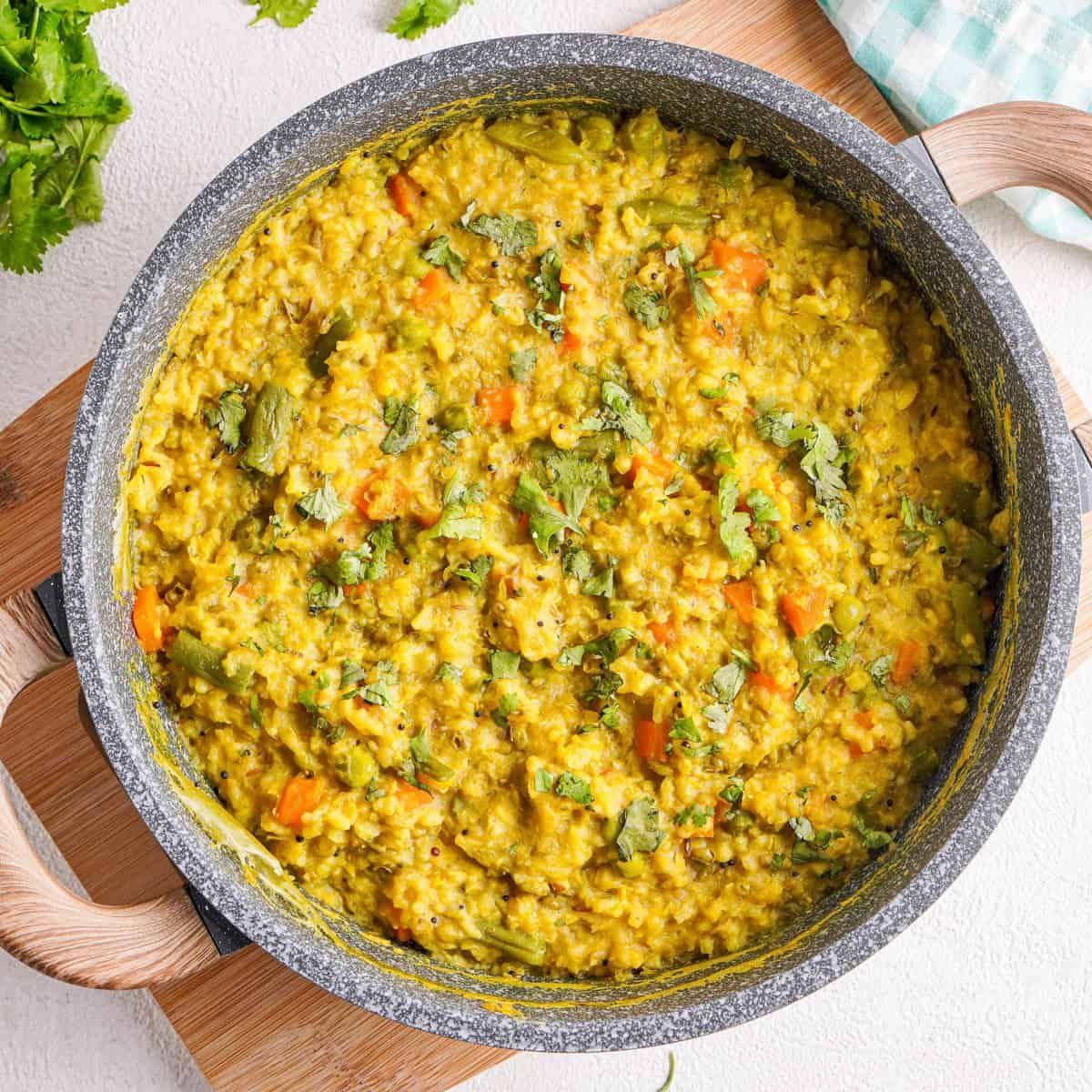
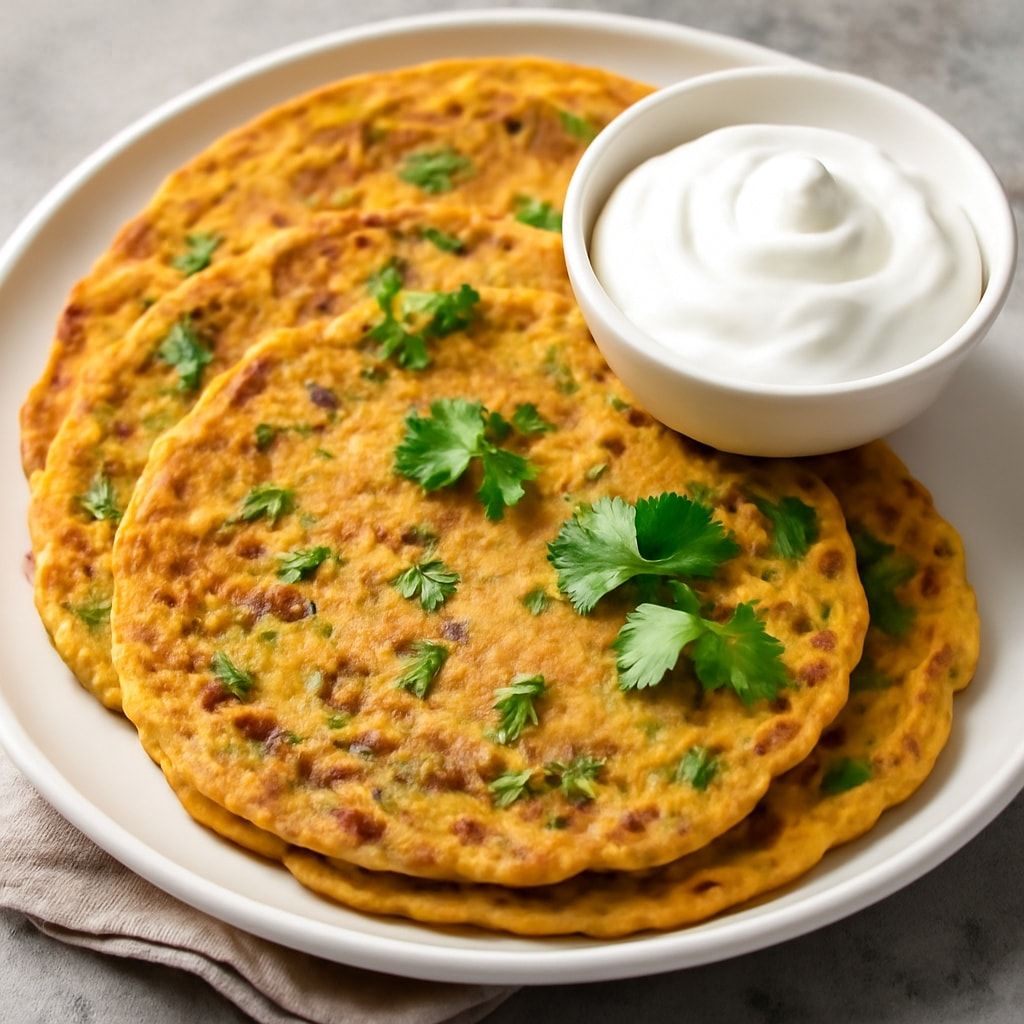
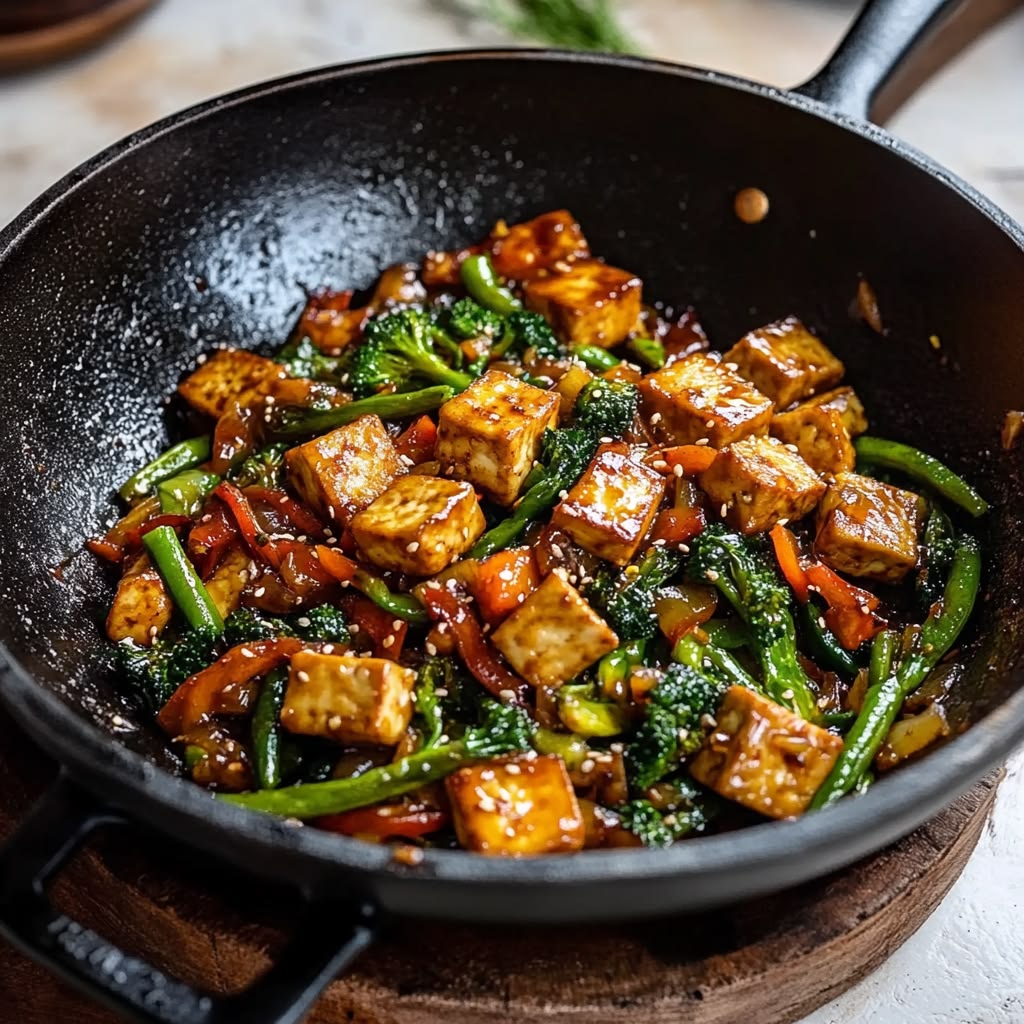
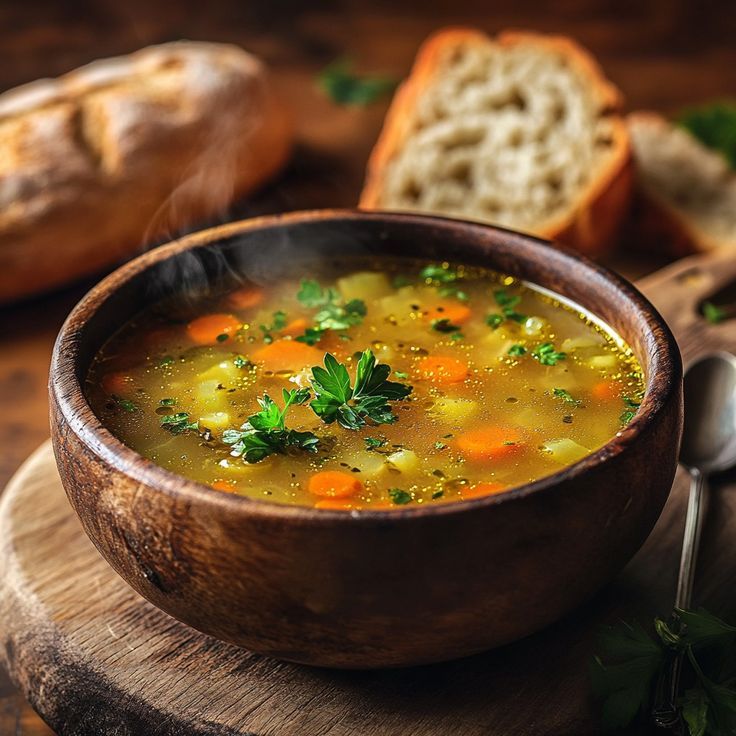
Dinner should be light, easy to digest, and nutrient-rich.
Vegetable soup with multigrain bread
Stir-fried vegetables with tofu
Moong dal chilla with chutney
Grilled fish with salad
Millet khichdi
Mixed vegetable salad with sprouts
Budget-Friendly Meal Planning Tips
Healthy eating is often misunderstood as expensive or difficult to maintain. In reality, nutritious meals can be affordable when planned wisely. With a little organization and smart grocery decisions, you can enjoy balanced, homemade meals without overspending. Budget-friendly meal planning not only saves money but also promotes healthier eating habits and reduces unnecessary food waste.
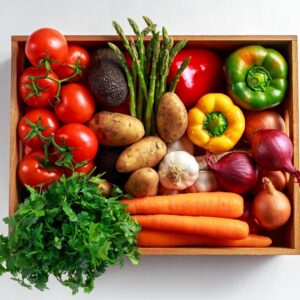
Buy Seasonal Fruits and Vegetables
Seasonal fruits and vegetables are usually fresher, more nutritious, and significantly cheaper than out-of-season produce. Locally available seasonal foods require less transportation and storage, making them more affordable. Planning your meals around seasonal ingredients helps you enjoy variety while keeping grocery costs under control. Visiting local markets or farmers’ stalls can also provide better quality produce at lower prices.
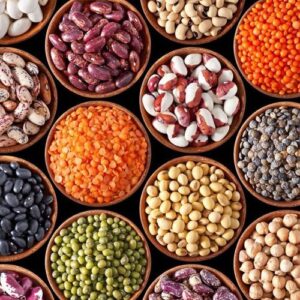
Purchase Grains and Pulses in Bulk
Staple foods such as rice, wheat, lentils, beans, oats, and pulses are essential for healthy meal planning. Buying these items in bulk quantities reduces cost per unit and ensures you always have nutritious ingredients available at home. Proper storage in airtight containers helps maintain freshness for longer periods, preventing spoilage and repeated small purchases.
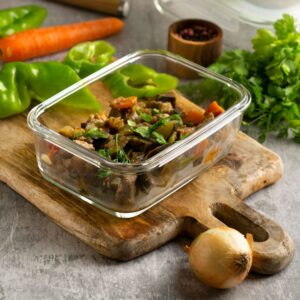
Cook Larger Portions and Store Leftovers
Cooking meals in larger batches is one of the smartest ways to save both time and money. Preparing extra portions allows you to store leftovers for future meals, reducing daily cooking effort and avoiding last-minute food orders. Leftover vegetables, curries, soups, or grains can easily be reused for lunch boxes or quick dinners, making meal planning efficient and economical.
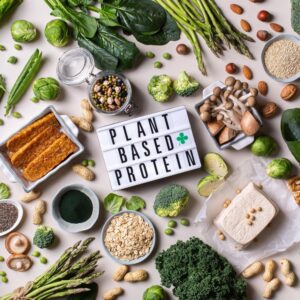
Use Plant-Based Protein Sources
Protein-rich foods do not always have to be expensive. Plant-based proteins like lentils, chickpeas, beans, soybeans, and peanuts are highly nutritious and cost-effective alternatives to meat. These ingredients provide essential nutrients such as fiber, iron, and protein while supporting heart health. Including plant-based meals multiple times a week helps maintain nutrition without increasing grocery expenses.
Avoid Processed and Packaged Foods
Packaged snacks, ready-to-eat meals, and processed foods often cost more while offering lower nutritional value. Regular consumption also increases spending without contributing to long-term health benefits. Preparing homemade snacks such as roasted nuts, fruits, sandwiches, or salads is healthier and more economical in the long run.

Weekly Healthy Meal Plan Table
| Day | Breakfast | Lunch | Dinner |
|---|---|---|---|
| Monday | Oats & Fruits | Roti + Dal + Veg | Vegetable Soup |
| Tuesday | Poha | Brown Rice + Rajma | Salad & Paneer |
| Wednesday | Smoothie Bowl | Quinoa Salad | Moong Dal Chilla |
| Thursday | Idli & Sambar | Veg Khichdi | Stir Fry Veggies |
| Friday | Omelette Toast | Roti + Paneer Curry | Millet Upma |
| Saturday | Paratha & Curd | Chickpea Salad | Grilled Chicken |
| Sunday | Fruit Bowl | Pulao & Raita | Light Soup |
Tips for Successful Healthy Cooking
Plan meals every weekend
Prep vegetables in advance
Use healthy cooking methods like steaming, grilling, and baking
Reduce oil, sugar, and salt intake
Stay hydrated throughout the day
Maintain portion control
Conclusion -
Healthy cooking and meal planning are not about following strict diets or giving up your favorite foods; instead, they represent a sustainable and practical lifestyle approach that supports long-term health and well-being. When meals are planned thoughtfully, individuals gain better control over their nutrition, reduce unnecessary spending, and eliminate the daily stress of deciding what to cook or eat.Adopting encourages mindful eating habits, improves digestion, boosts energy levels, and strengthens immunity. Over time, these small yet consistent choices contribute to better physical health, improved mental clarity, and overall lifestyle balance. Preparing meals at home also helps families build healthier routines while enjoying fresh, wholesome food together.
The key to success lies in consistency rather than perfection. You don’t need complicated recipes or expensive ingredients to begin — simple home-cooked meals, smart grocery planning, and balanced portions can make a significant difference. Even small steps, such as planning meals for a few days or preparing ingredients in advance, can gradually transform eating habits.Healthy living starts in your kitchen. By making conscious food choices today, you invest in a healthier and more energetic future tomorrow.
✨ Start small, plan smart, eat mindfully, and turn healthy eating into a lifelong habit — because good nutrition is the foundation of a happy and productive life.
Frequently Asked Questions (FAQ) — Healthy Meal Planning
1. What is healthy meal planning?
Healthy meal planning is the process of preparing and organizing nutritious meals in advance to maintain balanced nutrition, save time, and support a healthy lifestyle.
2. Why is meal planning important for health?
Meal planning helps control portion sizes, reduces unhealthy food choices, improves nutrient intake, and supports weight management and overall wellness.
3. How do beginners start meal planning?
Beginners can start by:
Planning meals for 3–5 days
Creating a grocery list
Choosing simple recipes
Preparing ingredients in advance
Storing meals properly
Beginners can start by:
Planning meals for 3–5 days
Creating a grocery list
Choosing simple recipes
Preparing ingredients in advance
Storing meals properly
4. Can meal planning help save money?
Yes. Healthy meal planning reduces food waste, prevents unnecessary purchases, and minimizes frequent food ordering, making it budget-friendly.
5. How long can meal-prepped food stay fresh?
Most home-cooked meals stay fresh:
Refrigerator: 3–4 days
Freezer: Up to 1–2 months (depending on food type)
6. Is meal planning good for weight loss?
Yes. Planned meals help maintain calorie control, balanced nutrition, and prevent emotional or overeating habits.
7. What foods are best for healthy meal prep?
Best foods include:
Whole grains
Lentils & beans
Fresh vegetables
Fruits
Lean proteins
Nuts & seeds
8. How many meals should be planned daily?
A balanced plan usually includes:
✅ Breakfast
✅ Lunch
✅ Dinner
✅ 1–2 healthy snacks